How to Get to Sumba: Flights, Ferries & Local Travel Tips

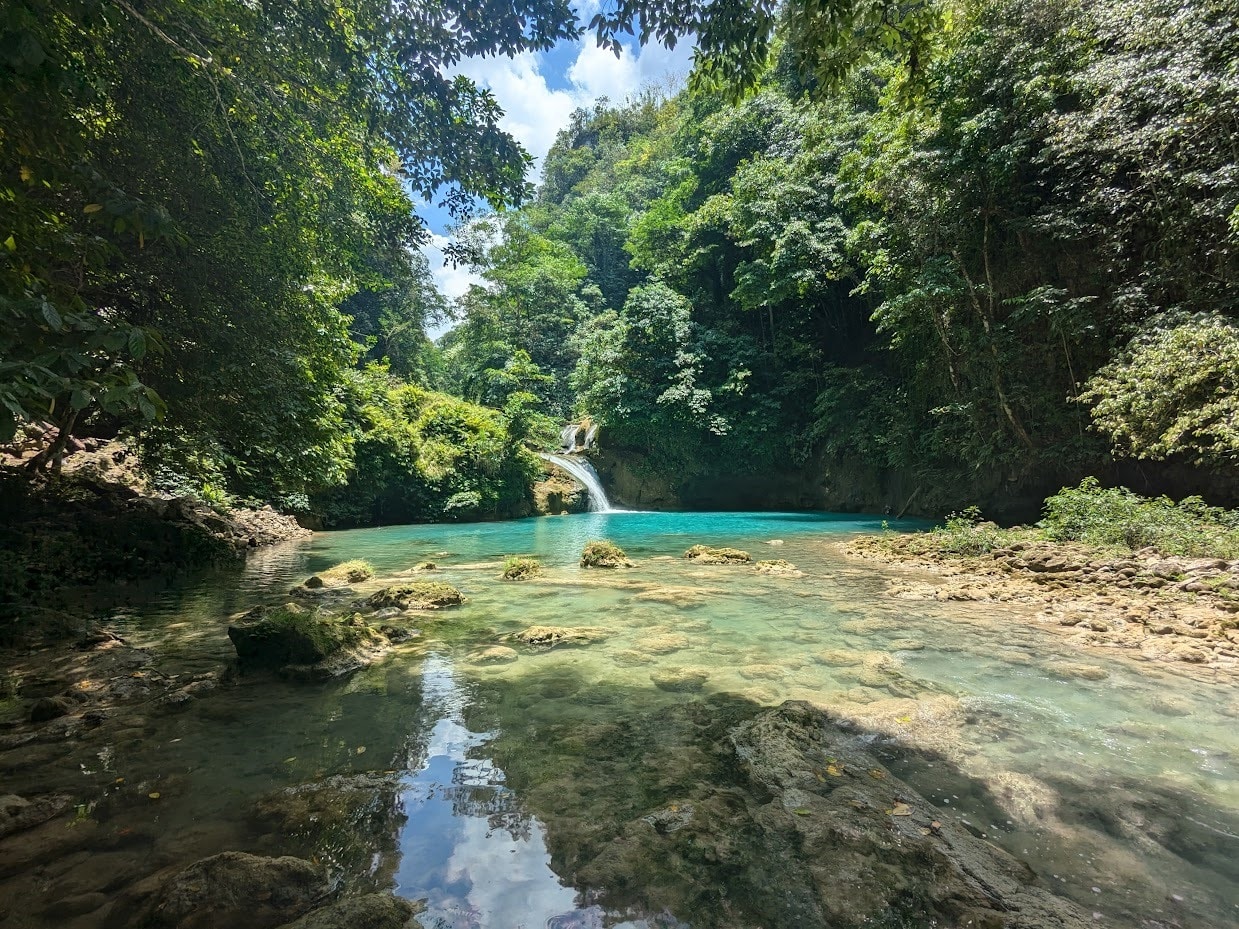
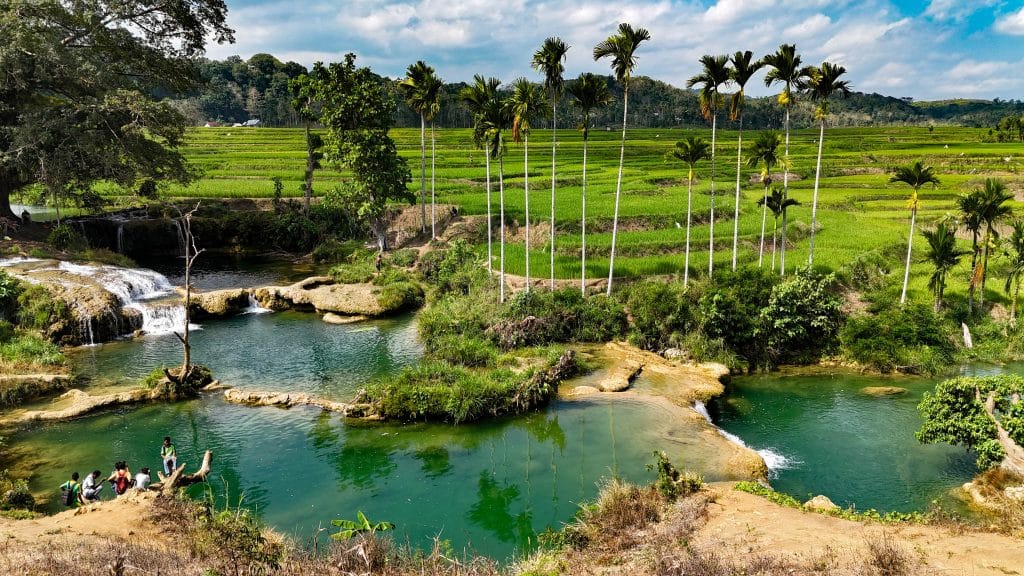
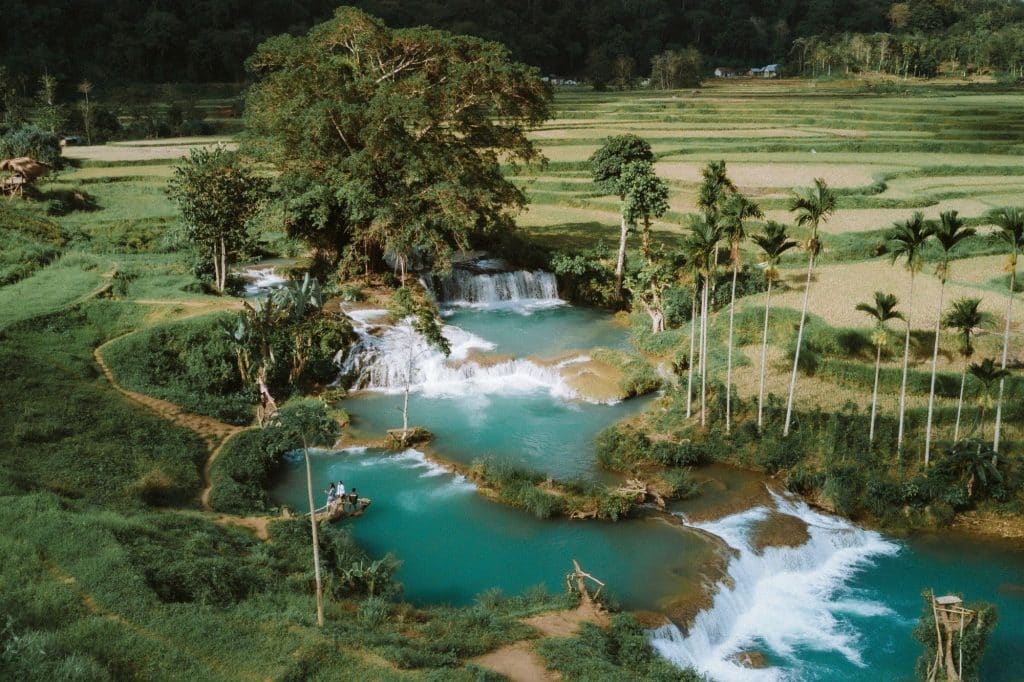
Waterfall Sumba

How to Get to Sumba: Flights, Ferries & Local Travel Tips

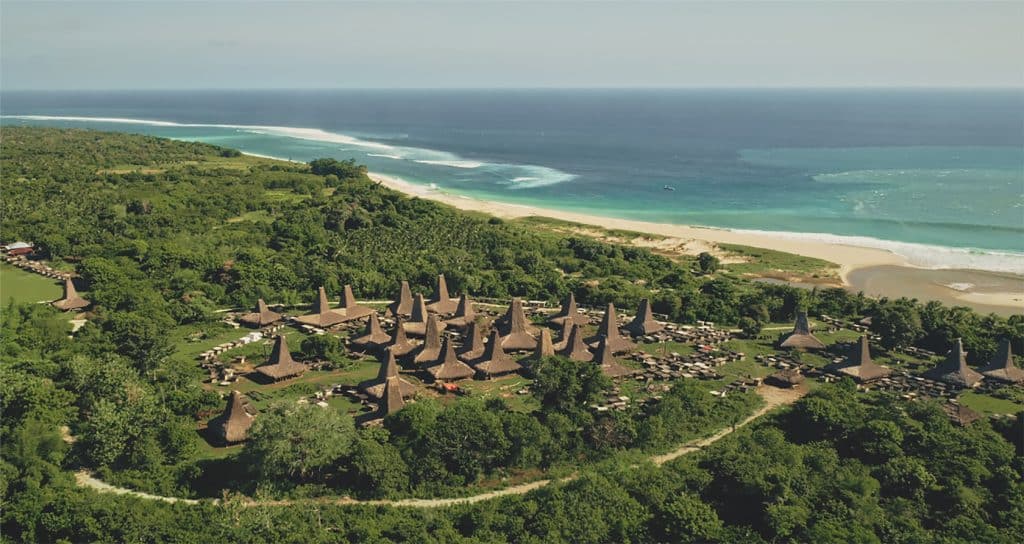
Sumba is one of Indonesia’s last wild frontiers — dramatic cliffs, endless grasslands, and traditions that have remained unchanged for centuries. But getting there? Surprisingly straightforward, if you know how. Here’s your complete guide on how to reach Sumba and move around the island with ease.

Before you make travel plans, take a moment to explore the island’s culture, landscapes, and community stories in our Discover Sumba guide.

Closest Airports: Tambolaka & Waingapu

Sumba has two main airports:

  • Tambolaka Airport (TMC) — Located in the west, near Waikabubak. This is the most convenient gateway for travelers heading to the island’s famous beaches, surf spots, or the Pasola Festival. Many resorts, including Kabisu Sumba, are easily accessible from Tambolaka.

  • Umbu Mehang Kunda Airport (WGP) — Located in Waingapu, on the eastern side. This airport serves East Sumba and is useful if you plan to explore remote villages or connect with ferry services.

Both airports are small but well-connected by daily domestic flights.

Flights from Bali, Jakarta, and Labuan Bajo

Bali to Sumba: The most popular route is from Denpasar (DPS) to Tambolaka. Direct flights run daily with local airlines like Lion Air or Citilink. The flight takes about 50–60 minutes — short enough for a weekend getaway, long enough to feel like you’ve landed somewhere truly different.

Jakarta to Sumba: Flights from Jakarta usually connect through Bali or Kupang. Expect a longer total journey (about 4–6 hours including transit) but still an easy hop if you plan ahead.

Labuan Bajo to Sumba: Coming from Komodo? There are limited direct flights from Labuan Bajo to Tambolaka or Waingapu, but schedules can change seasonally — it’s best to book early or check with local carriers.

Ferry Options for the Adventurous

For travelers with time (and patience), ferries connect Sumba to Flores and Kupang. Boats arrive mainly at Waingapu Harbor in East Sumba. Ferries are budget-friendly but basic — don’t expect luxury cabins. Schedules can change with the weather, so double-check a few days before departure.

Pro tip: Ferries are best for travelers who want to bring their own motorbike or who crave a slow, overland adventure through Nusa Tenggara.

Tips for Booking Tickets

  • Book flights in advance during peak times like the Pasola Festival (February–March) or Indonesian holidays.

  • Domestic airlines often have promotions — sign up for alerts or use local booking apps like Traveloka or Tiket.com.

  • For ferries, book your ticket at the port a day or two before departure. Bring cash and check weather conditions.

Transport on the Island: Motorbike Rental, Car Hire & Local Drivers

Sumba is big — and public transport is limited. Here’s how to get around once you land:

  • Motorbike Rental: The cheapest way to explore, ideal for solo travelers comfortable with rough roads. Daily rentals cost around IDR 75,000–150,000. Always wear a helmet — and watch for roaming animals!

  • Private Car & Driver: The best option for comfort and safety. Many hotels and resorts can arrange this for you. Drivers double as local guides who know the roads and villages well.

  • Car Rental: Self-drive rental is possible, but roads can be challenging. Unless you’re very experienced, it’s better to hire a local driver.

Like Sumba? Discover Kabisu!

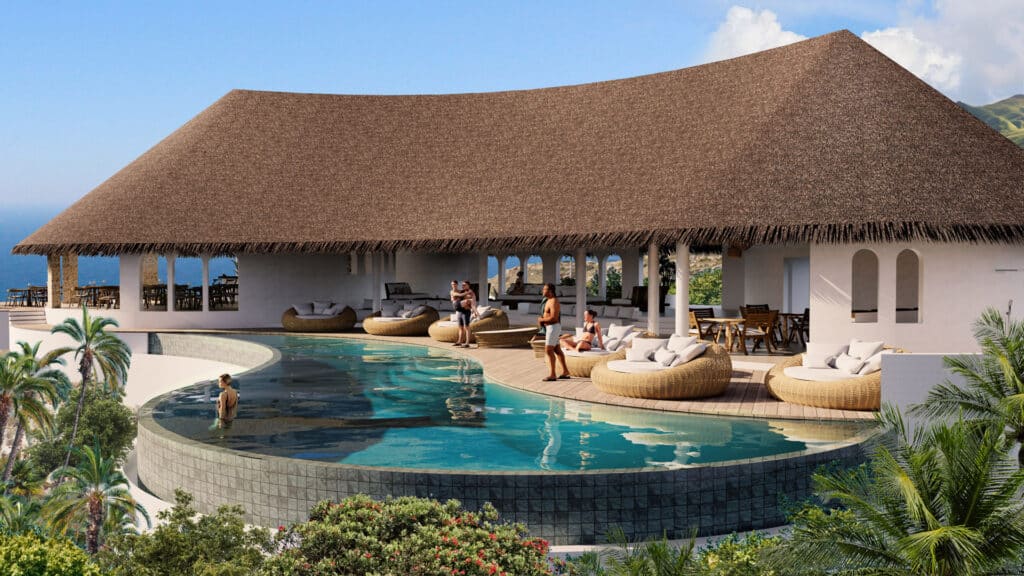
If you’re drawn to Sumba’s raw beauty and rich traditions, discover Kabisu Sumba — a boutique resort designed for travelers who want more than just a holiday. Kabisu blends sustainable luxury with authentic local culture, giving you a true taste of island life.

But Kabisu is more than a place to stay — it’s an invitation to invest in Sumba’s future. As this hidden gem grows into Indonesia’s next sustainable destination, you can be part of its story.

Discover More About Sumba

Pasola Festival Sumba: Everything You Need to Know Before You Go

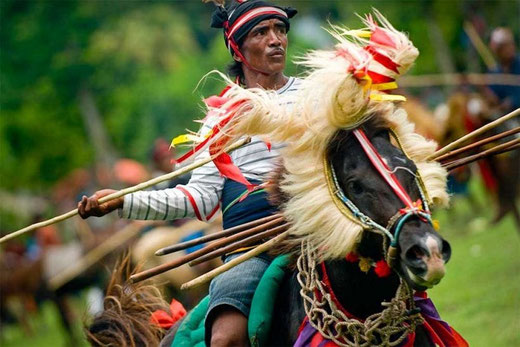
Pasola Festival - Sumba

Pasola Festival Sumba: Everything You Need to Know Before You Go

Pasola: The Thrilling Festival Where Sumba’s Spirit Comes Alive

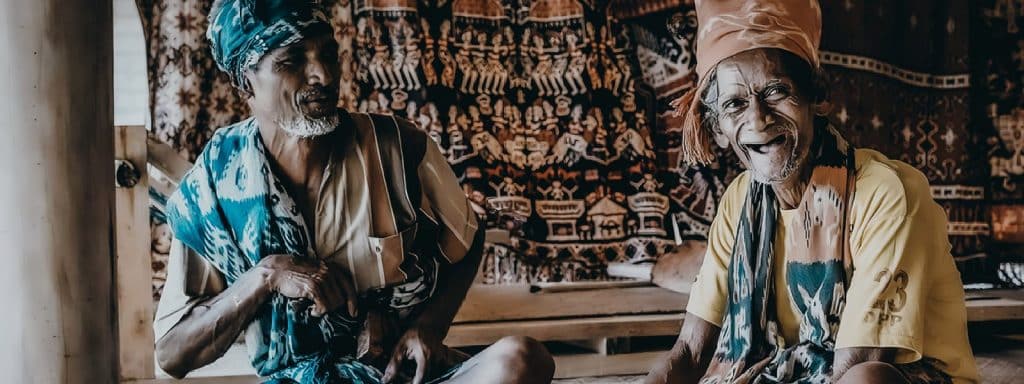
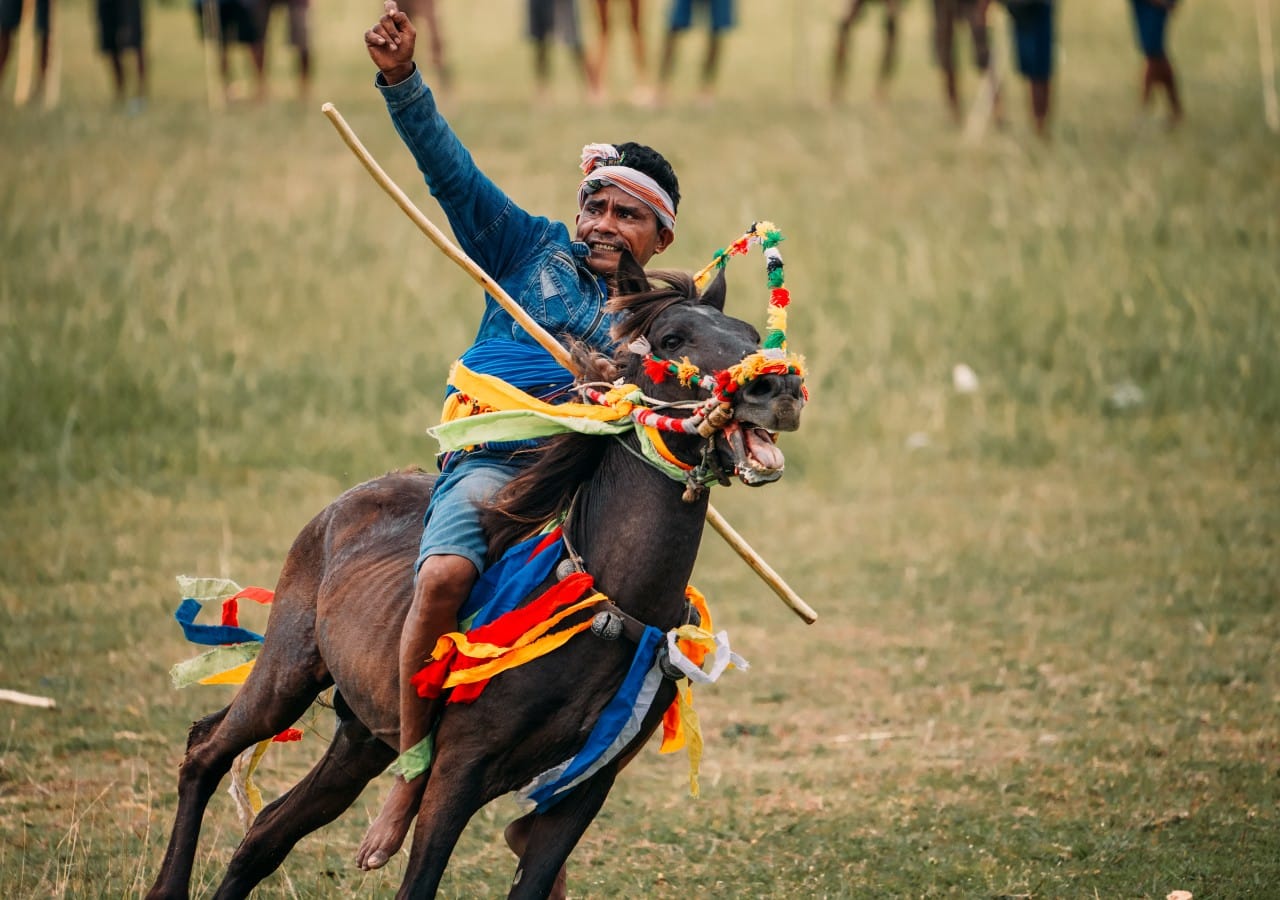
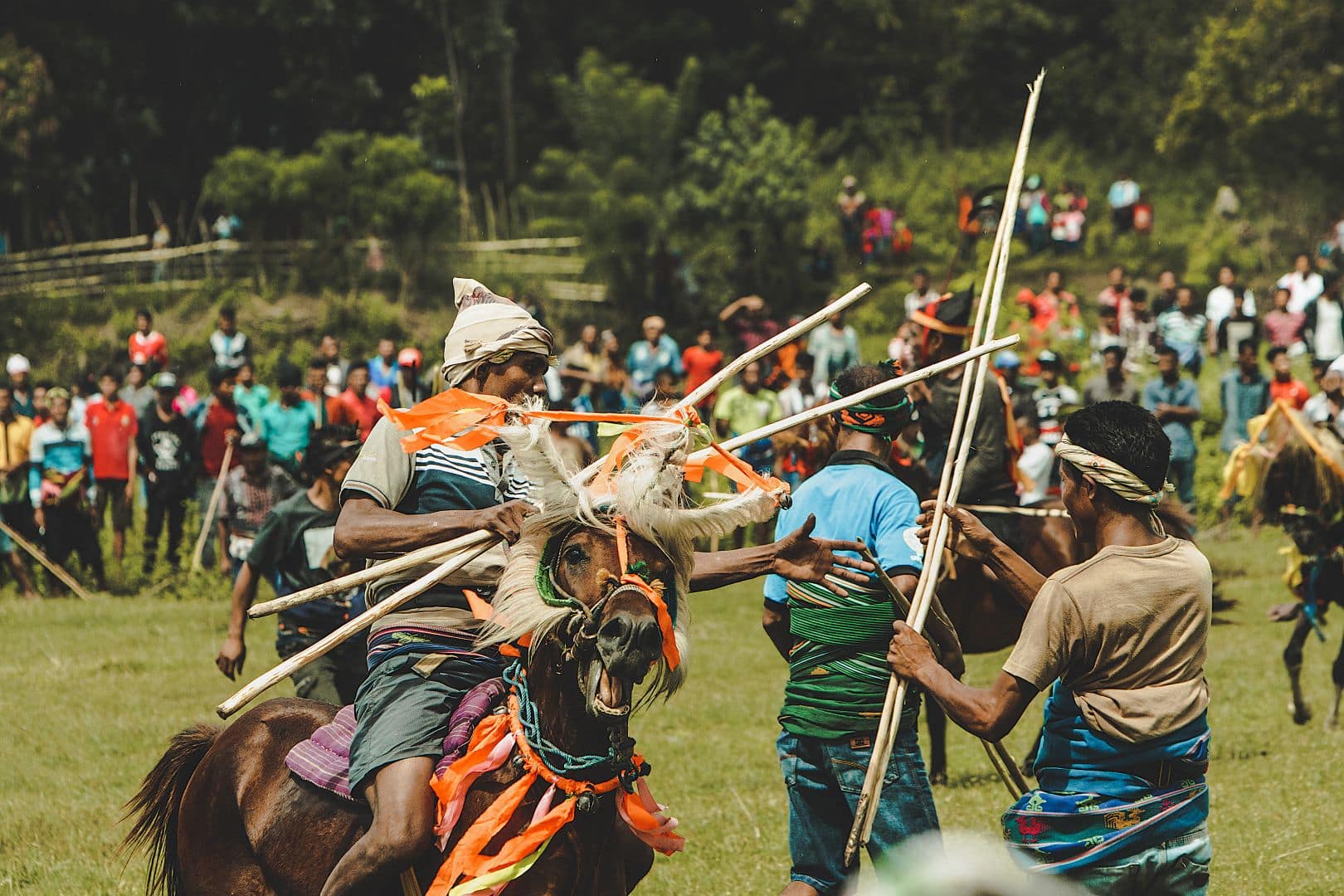
The thunder of galloping horses, the flash of spears glinting in the sun, and the roar of an awestruck crowd—few cultural spectacles compare with Pasola, the legendary war-game of West Sumba, Indonesia. Each year, clans from rival districts converge on an open field ringed by waving grasslands to reenact ancestral battles that date back centuries. The contest is as much theatre as it is competition, and it remains one of the most vivid windows into the island’s living heritage.

Today Sumba is experiencing a surge of interest as a sustainable luxury haven. A mere 50-minute flight from Bali brings visitors to Tambolaka Airport, where dramatic cliffs, pristine beaches, and emerging resorts such as Kabisu Sumba create an enticing alternative to Bali’s bustle. Yet the heart of Sumbanese identity still beats loudest during Pasola, making the festival an essential stop for any traveler or investor drawn to this untamed frontier.

The History and Cultural Significance of Pasola

Pasola is more than an adrenaline-charged joust; it is a sacred ritual intertwined with Sumba’s agricultural cycle. Traditionally held in February and March—just after the rice planting—Pasola is believed to placate the spirits, ensure rainfall, and bless the coming harvest. Victory matters, but so does the shedding of blood, which the elders say fertilizes the fields and strengthens communal bonds.

In 1985 the Indonesian government recognized Pasola as an intangible cultural asset, and anthropologists often compare its societal role to Spain’s running of the bulls or Japan’s sumo ceremonies. Outsiders are welcome, yet the event remains firmly controlled by local adat (customary law) councils, preserving its authenticity in an era of rapid tourism growth.

Origins and Mythology Behind the Festival

Folklore traces Pasola’s beginnings to a tragic love triangle. According to legend, a woman named Rambu Kori returned from the sea with a new husband after her village presumed her lost. The spurned former lover challenged the newcomer, and their clash on horseback evolved into a symbolic duel between villages. Over generations, wooden spears replaced iron weapons, and the skirmish transformed into ritualized sport, yet the narrative of love, loyalty, and honor continues to animate every charge across the arena.

Spiritual Meaning and Connection to Marapu Religion

Most Sumbanese still adhere to the ancestral Marapu faith, which revolves around appeasing spirits through harmony with nature. Before Pasola begins, priests known as Rato read omens in the sea worms (nyale) that swarm the coast. A plentiful catch signals divine approval, while a poor one may delay or even cancel the event. The Rato also lead chants, bless the spears, and invoke protection for riders and spectators alike, underscoring Pasola’s status as a bridge between the living and the unseen world.

To learn more about Sumba’s landscapes, traditions, and way of life, explore our Discover Sumba guide.

Planning Your Visit to the Pasola Festival

Because Pasola follows both lunar cycles and nyale appearances, exact dates shift each year, and only local elders can confirm the schedule a few weeks in advance. Travelers who wish to guarantee attendance should earmark mid-February to late March and monitor regional news or trusted tour operators for updates. Building flexibility into an itinerary is essential; the unpredictable timing is part of the festival’s mystique.

Sumba’s infrastructure is improving rapidly, yet distances remain large and roads can be rough. Reserving a driver familiar with the villages of Wanokaka, Lamboya, or Kodi—traditional Pasola arenas—saves time and reduces stress. Reputable guides often bundle transport and translation, enabling deeper engagement with local customs.

Best Time to Visit and Festival Schedule

The nyale season generally peaks a few days after the first full moon of the Balinese calendar month of Kapat. Festivals in Wanokaka usually lead, followed by Lamboya and Kodi, creating multiple viewing opportunities across February and March. Arriving three or four days before the predicted start allows time to witness preparatory rituals, explore nearby waterfalls such as Lokomboro, and acclimatize to the island’s warm, breezy climate.

Transportation and Accommodation Options in Sumba

Four daily flights connect Bali’s Ngurah Rai International Airport with Tambolaka, making the west coast the easiest entry point. From there, the Pasola fields are one to two hours by car. Lodging ranges from guesthouses in Waikabubak town to upscale ocean-view villas like Kabisu Sumba, where freehold investment opportunities attract travelers seeking both comfort and capital growth. Booking early is vital during festival weeks, when occupancy rates can exceed 85 percent.

 

Experiencing the Pasola Festival

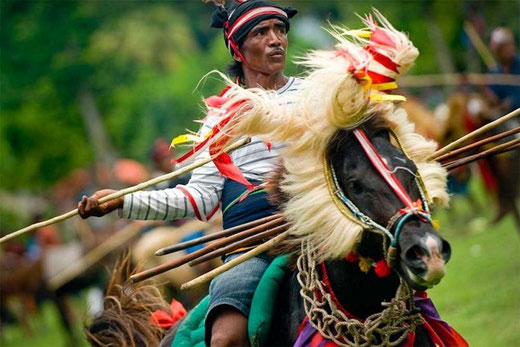
Festivities begin at dawn with the arrival of color-drenched processions: riders in indigo ikat, chiefs in towering headdresses, and drummers whose rhythms reverberate across the valley. After ceremonial offerings, two teams—sometimes numbering 50 horsemen each—line up at opposite ends of the field. At the Rato’s signal, they charge, hurling blunt spears of lightweight wood. The impact sends splinters flying, and each successful hit elicits wild cheers from clan supporters.

The melee continues in bursts of a few minutes, punctuated by strategic retreats and prayers. Injuries occur, though modern regulations forbid metal tips and require helmets for younger riders. Medical tents stand ready, but the participants’ skill—honed from childhood riding bareback across savannah—keeps serious accidents rare.

What to Expect During the Ceremonial Battles

Spectators cluster along designated sidelines, yet the momentum of horses can spill beyond marked zones. Dust, sweat, and the primal sound of hooves create a raw atmosphere closer to ancient warfare than to a staged performance. Between bouts, riders parade for photographs, local vendors offer sweet palm wine and sticky rice, and elders recount tales that lend context to each village rivalry.

Etiquette and Safety Tips for Foreign Visitors

Respect begins with attire: lightweight but modest clothing, a sarong when entering sacred spaces, and no drones unless prior permission is granted. Never cross the field during active rounds, and avoid pointing feet toward elders seated on woven mats. Small donations to community funds are appreciated, yet aggressive bargaining over crafts can offend. Most families welcome photography, but always ask first and share images when possible—hospitality is a two-way street in Sumba.

Other Things to Do in Sumba After Pasola

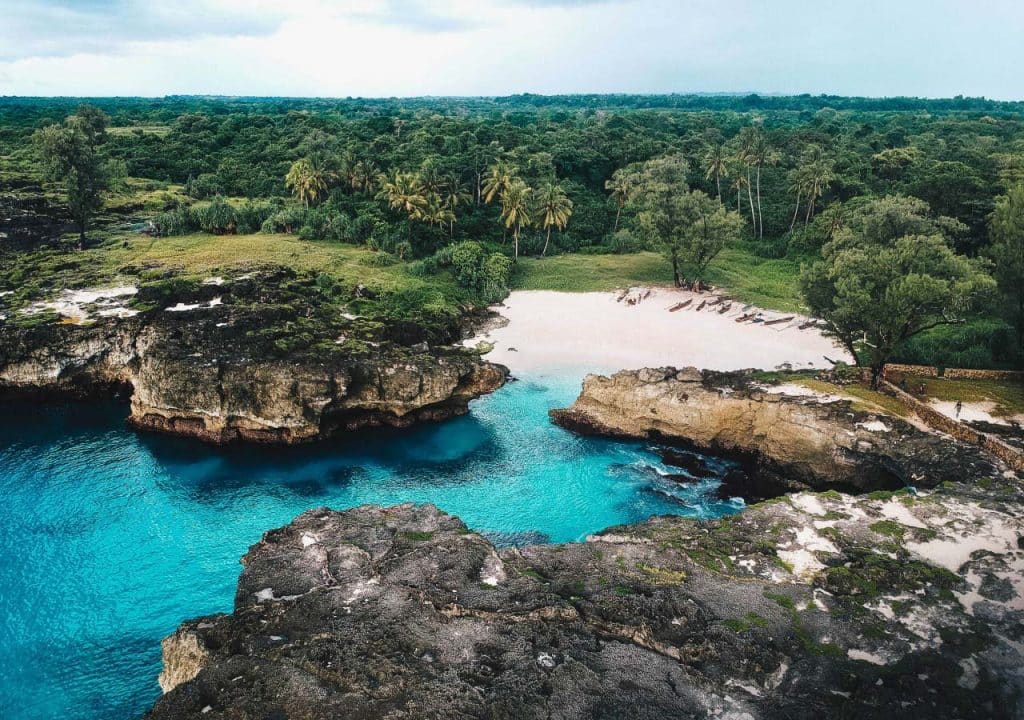
When the dust settles, Sumba offers tranquil days of exploration. Surf breaks like Pero and Nihiwatu deliver world-class waves with fewer crowds than Bali, while hidden beaches around Mandorak invite uninterrupted sunsets. Eco-resorts like Kabisu Sumba offer plenty of activities for guests to discover Sumba off the beaten path.

Discover Your Sanctuary at Kabisu Sumba

As the Pasola Festival leaves you with memories of Sumba’s vibrant culture, extend your journey by securing a piece of this paradise. Kabisu Sumba invites you to explore our exclusive luxury oceanfront villas, where investment meets tranquility. Revel in modern comforts, sustainable living, and breathtaking views from your private pool. Embrace the opportunity for high returns in one of the most pristine locations on earth. Discover More about how you can invest in your sanctuary at Kabisu Sumba.

Discover More About Sumba

Riding the Untamed Waves: The Ultimate Surfing Guide to Sumba

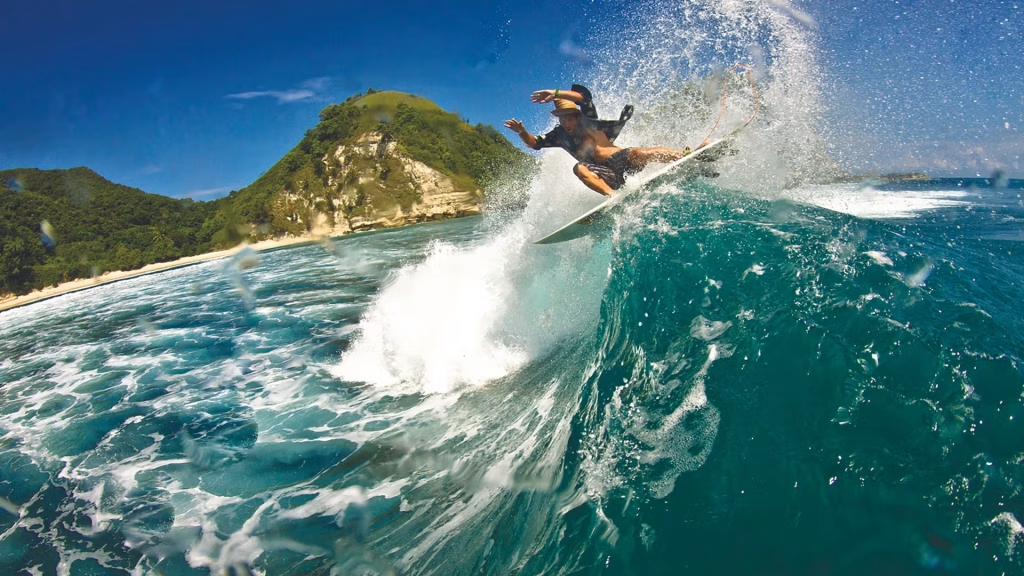
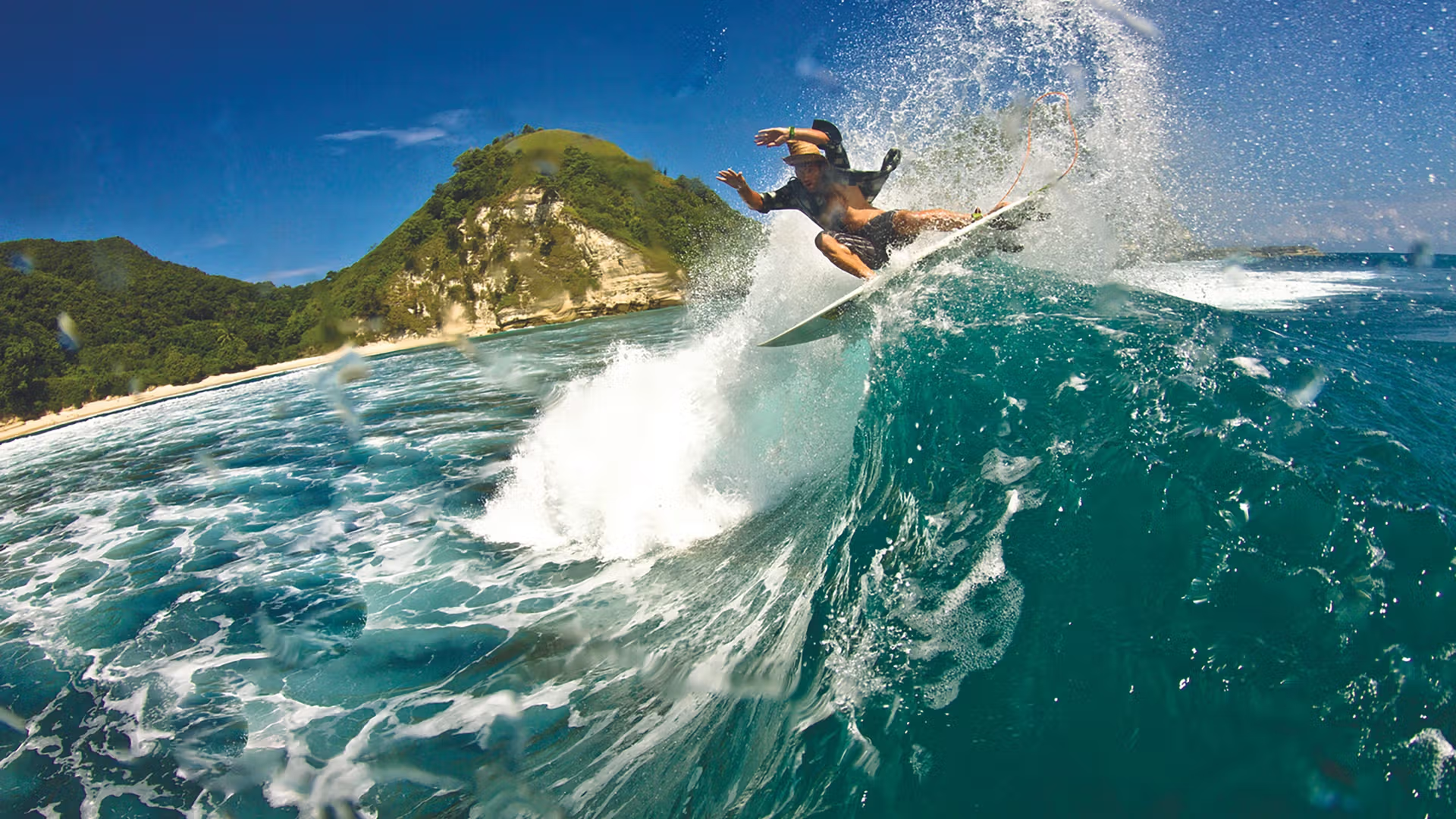
Surfing in Sumba

Riding the Untamed Waves: The Ultimate Surfing Guide to Sumba

Why Surf in Sumba?

Sumba, an island in Indonesia, is a hidden gem for surfers seeking adventure and pristine waves. Known for its stunning landscapes, rich culture, and warm-hearted locals, Sumba offers an unforgettable surfing experience. This guide will take you through everything you need to know about surfing in Sumba, from the best surf spots to local culture, gear, and tips for a successful trip.

Before hitting the waves, explore the island’s landscapes, traditions, and lifestyle in our Discover Sumba guide.

Sumba is often overshadowed by its more famous neighbors like Bali and Java, but this island boasts some of the most consistent and powerful waves in the region. The unique geographical features of Sumba create ideal conditions for surfers of all levels. Whether you are a beginner looking to catch your first wave or an experienced surfer seeking challenging swells, Sumba has something for everyone.

The island’s remote location means that many surf spots are less crowded, allowing for a more intimate surfing experience. The warm waters, stunning beaches, and vibrant marine life further enhance the allure of surfing in Sumba.

Surf Conditions

The surf season in Sumba generally runs from April to October, coinciding with the dry season. During this period, the island experiences consistent swells from the Indian Ocean, providing ideal conditions for surfing. The waves can range from 3 to 10 feet, depending on the spot and the time of year.

While the dry season is the most popular time for surfing, the wet season from November to March can also offer good waves, particularly for more experienced surfers. However, it’s essential to be cautious during this time as the weather can be unpredictable, and some spots may become less accessible.

Top Surf Spots in Sumba

Sumba is home to several world-class surf spots, each offering unique challenges and experiences. Here are some of the top locations you should consider when planning your surfing adventure.

Occy’s Left

Occy’s Left is one of the most famous surf breaks on the island, known for its powerful left-hand waves. This spot is suitable for intermediate to advanced surfers due to its fast and hollow waves. The best time to surf Occy’s Left is during the dry season when the swells are at their peak.

Accessing Occy’s Left requires a bit of a trek, but the stunning scenery and exhilarating waves make it well worth the effort. Be prepared for a bit of a hike, and consider hiring a local guide to help you navigate the terrain.

Tarimbang Beach

Tarimbang Beach is a picturesque location that offers both left and right-hand waves, making it suitable for surfers of all skill levels. The beach is known for its stunning backdrop of lush hills and crystal-clear waters, creating a perfect setting for a day of surfing.

During the dry season, Tarimbang can produce excellent waves, with the best conditions typically found in the morning. The beach is also a great spot for relaxation and enjoying the local culture, with nearby villages offering a glimpse into the traditional Sumbanese way of life.

Watu Bella

Watu Bella is another must-visit surf spot in Sumba, known for its beautiful scenery and consistent waves. This location is ideal for intermediate surfers looking to improve their skills. The waves here can be quite powerful, especially during the peak season, so it’s essential to be mindful of your abilities.

The beach is less crowded than some of the more popular spots, allowing for a more serene surfing experience. After a long day on the waves, take some time to explore the surrounding area and enjoy the stunning sunsets that Sumba is famous for.

Surfing Gear and Rentals

Before hitting the waves, it’s essential to have the right gear. While some surf spots in Sumba may have rental options, it’s often best to bring your own equipment to ensure you have the right board and wetsuit for the conditions.

Surfboards

When choosing a surfboard for Sumba, consider the type of waves you’ll be riding. A shortboard is ideal for experienced surfers looking to tackle powerful waves, while a longboard may be better suited for beginners or those looking to ride smaller swells. If you’re unsure, consult with local surf shops or instructors for recommendations.

Wetsuits

The water temperature in Sumba typically ranges from 26°C to 30°C (79°F to 86°F), so a shorty wetsuit or a rash guard is usually sufficient.

Local Culture and Etiquette

Surfing in Sumba is not just about the waves; it’s also an opportunity to immerse yourself in the rich culture of the island. The Sumbanese people are known for their warm hospitality and vibrant traditions, making it essential to be respectful and mindful of local customs.

Respecting Local Customs

When visiting surf spots, always be respectful of the local surfers and their customs. It’s important to follow the local surf etiquette, which includes waiting your turn, not dropping in on others, and being mindful of the local community. Building rapport with local surfers can enhance your experience and may even lead to valuable tips about the best surf spots.

Exploring Sumbanese Culture

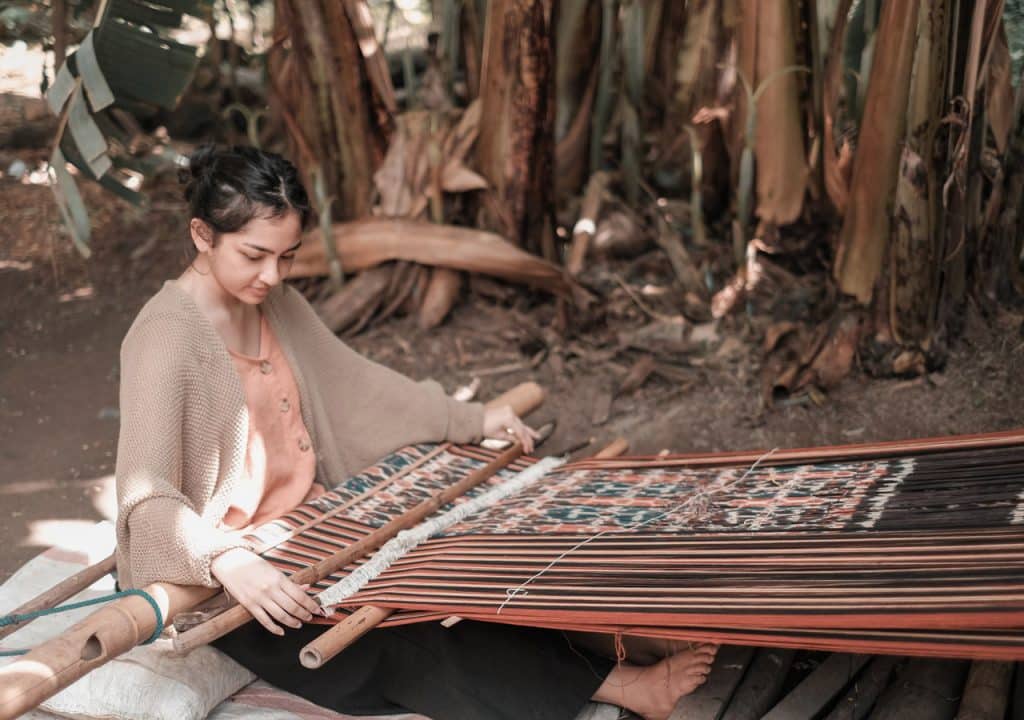
Take the time to explore the local culture beyond surfing. Sumba is famous for its traditional weaving, unique architecture, and vibrant festivals. Consider visiting local villages to learn about their customs and perhaps even participate in a traditional ceremony. Engaging with the local community will enrich your surfing experience and create lasting memories.

Travel Tips for Surfing in Sumba

Planning a surf trip to Sumba requires some preparation to ensure a smooth and enjoyable experience. Here are some essential travel tips to keep in mind.

Getting There

Sumba is accessible via flights from Bali or Jakarta to Waingapu or Tambolaka airports. Once on the island, renting a motorbike or hiring a local driver is the best way to explore the surf spots. Be prepared for some bumpy roads, as many surf locations are off the beaten path.

Accommodation Options

Sumba offers a range of accommodation options, from budget guesthouses to luxury resorts. For surfers, staying near the surf spots can save time and energy. Consider booking accommodations that cater to surfers, as they often provide amenities like board storage and local surf guides.

Health and Safety

Before traveling to Sumba, ensure you have the necessary vaccinations and travel insurance. It’s also wise to bring a basic first-aid kit, sunscreen, and insect repellent. Be cautious while surfing, especially in unfamiliar waters, and always surf with a buddy when possible.

Conclusion

Surfing in Sumba offers an unparalleled experience for those seeking adventure, culture, and stunning natural beauty. With its diverse surf spots, welcoming locals, and rich traditions, Sumba is a destination that should be on every surfer’s bucket list. Embrace the untamed waves, immerse yourself in the local culture, and create unforgettable memories on this enchanting island.

Your Surfing Adventure Awaits at Kabisu Sumba

Ready to take your surfing journey to the next level? Kabisu Sumba invites you to experience the ultimate surf adventure with the added luxury of your own oceanfront villa. Our exclusive properties are more than just a place to stay; they’re an investment in a lifestyle of adventure, culture, and relaxation. With modern amenities, sustainable design, and private pools, each villa is a sanctuary where you can unwind after riding the untamed waves of Sumba. Don’t just dream about the perfect surf getaway; make it a reality. Discover More about owning your piece of paradise with Kabisu Sumba.

Discover More About Sumba