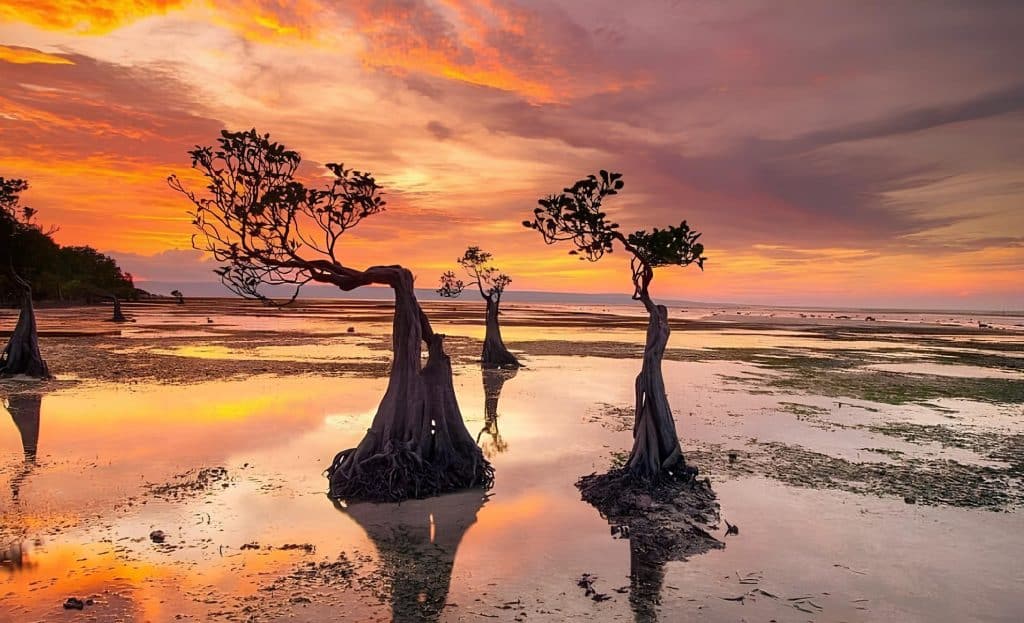
Sumba, Indonesia, stands at a crossroads. Once bypassed in the national development narrative, it is now experiencing a decisive transformation thanks to unprecedented infrastructure investment, a pivot toward sustainability, and surging global attention. This in-depth forecast blends factual projections, government policy, infrastructure specifics, and investment climate—embedding trusted links throughout for verification and research.
1. The Infrastructure Revolution: Roads, Ports, Power, and Connectivity
Maritime Access & Ports
Sumba’s logistical lifelines—Waingapu (east) and Waikelo (west)—are seeing major upgrades under Indonesia’s strategic push to modernize transport in overlooked regions. Waingapu, now handling increased cargo and passenger ferries linking to Kupang, Surabaya, and Flores, boasts a larger bulk-cargo quay and computerized handling. Waikelo backs ferry and regional trade, underpinning the new wave of sustainable tourism and logistics for land development.
Learn more about Sumba’s port projects:
Roads and Overland Transport
A decade ago, Sumba’s interior was accessible only to the intrepid. By 2025–26, government mandate has delivered a fully paved arterial road from Waingapu (east) to Tambolaka (west)—the Trans-Sumba Highway—reducing cross-island traverses from 8 hours to just under 4. Secondary roads, especially those serving tourism clusters (Kodi, Kerewe, Puru Kambera), are mid-upgrade. Inland routes to waterfalls and megalithic sites remain mixed quality but are improving annually, with dedicated Public Works Ministry (PUPR) funding.
Flight Access and Airports
Tambolaka Airport and Waingapu Airport now serve direct daily flights from Bali, regular links from Surabaya, and new charters from Jakarta are on the horizon for 2026. Terminal expansions—due to finish Q4 2025—will boost passenger handling from 90,000 to 350,000 annually, supporting the island’s leap in visitor numbers and easier international and domestic investor access.
Power and Renewable Energy: “Sumba Iconic Island”
Indonesia’s “Sumba Iconic Island” (SII) initiative targets 100% renewable energy for Sumba by 2035, driving solar micro-grids, hybrid systems, and rural electrification. Over 40 villages now enjoy continuous off-grid or hybrid solar electricity—essential for eco-resorts, villa clusters, and digital nomads. Waingapu and Waikabubak, the major towns, have stable power, while rural and new-build resorts employ roof-top solar, battery storage, and are tapping into large-scale hydrogen projects by HDF Energy.
See full technical overview and policy:
Telecoms & Internet
Sumba’s fiber-optic roll-out (operational since Feb 2025) brings 4G/5G speeds to coastal towns, allowing stable connection for e-commerce, remote work, and property management. However, signal in deep rural areas may rely on satellite or antenna repeaters—a key point for investors eyeing remote tracts.
If you’re considering investing soon, our guide to investing in Sumba in 2025 covers practical steps and local tips.
2. Tourism and Demographic Trends: Growth with Guardrails
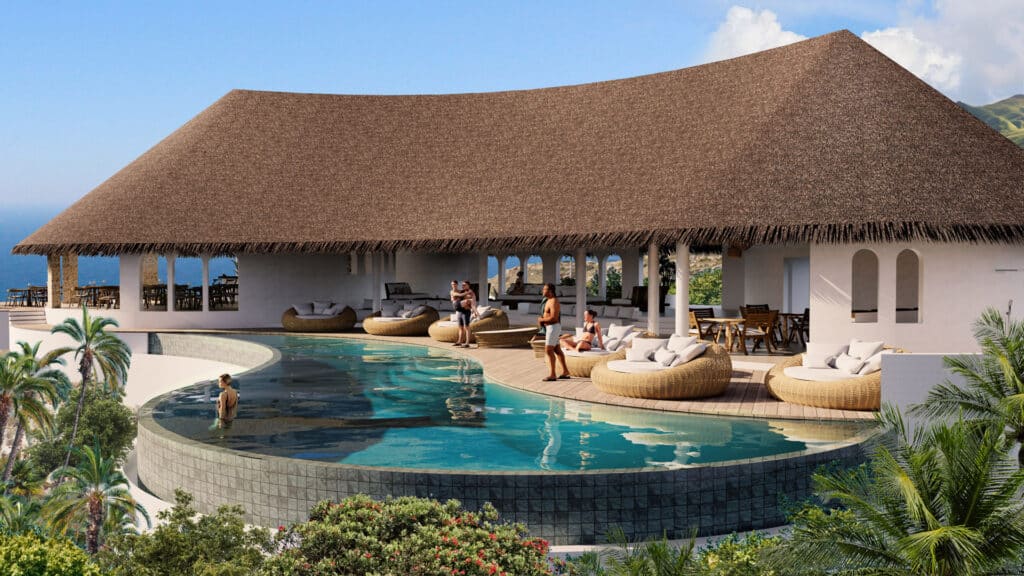
Sumba’s visitors remain just a fraction of Bali—about 35,000 expected in 2025, projected to exceed 70,000 by the decade’s close as direct flights, port upgrades, and eco-resorts multiply. These numbers reflect both the island’s niche market and its deliberate capacity restraint: even by 2030, Sumba will have fewer than 1,000 rooms—less than a single big Bali resort, preserving exclusivity and value.
| Year | Arrivals (thousands) |
|---|
| 2019 | 15 |
| 2020 | 2 |
| 2021 | 3.5 |
| 2022 | 13 |
| 2023 | 23.5 |
| 2024 | 26.5 |
| 2025 (estimated) | 35 |
| 2030 (estimated) | 70 |
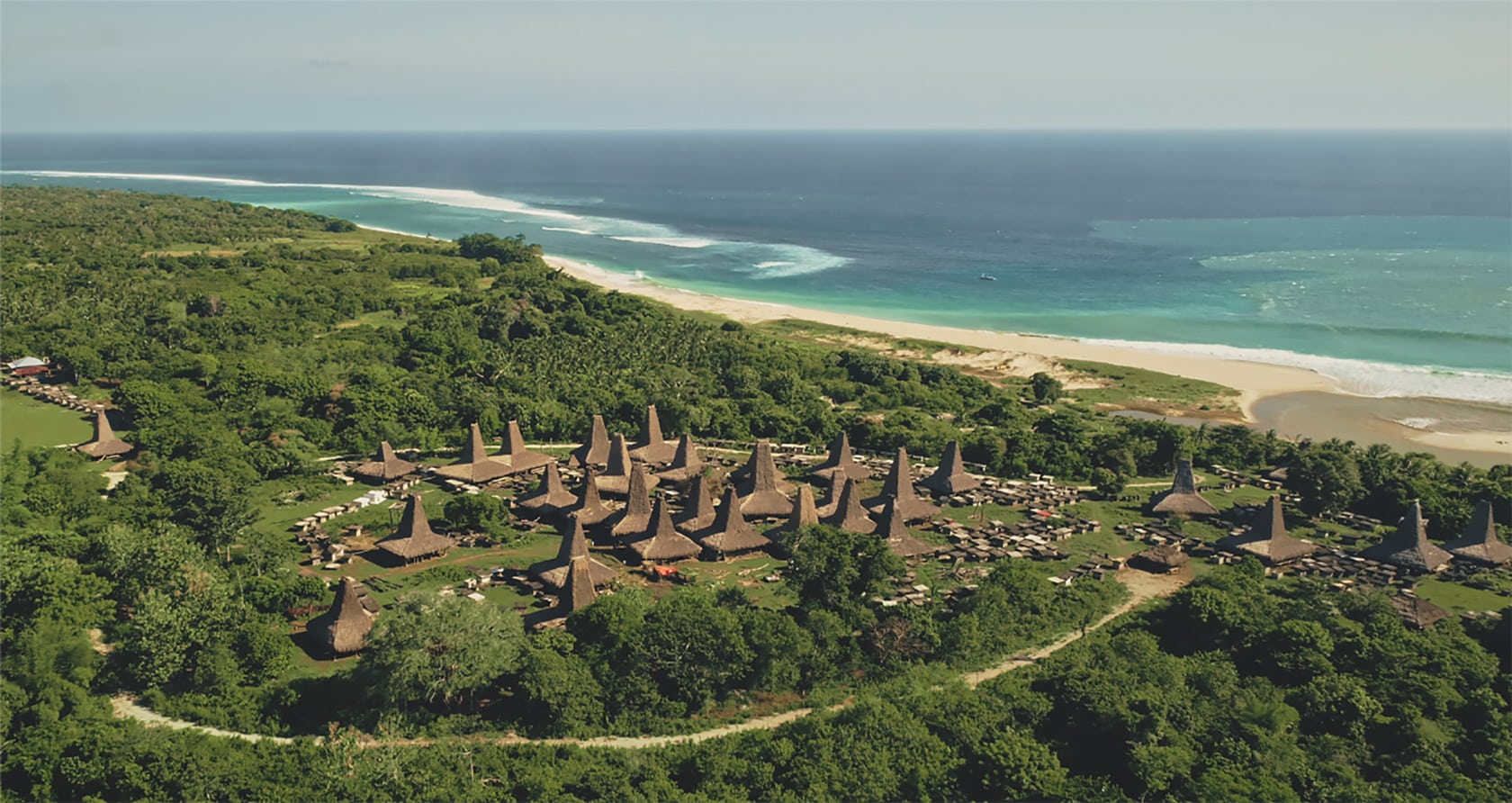
International brands (NIHI, Cap Karoso, Maringi) and West Sumba projects (Kabisu Sumba) dominate, with new government zoning opening Mananga Marapu and Puru Kambera in the east for eco-tourism and cultural stays. Domestic visitors (esp. from Jakarta, Surabaya) now make up 50–60% of the mix, driving festival season peaks and cultural circuits.
3. Property, Land & Investment—Transparent Framework for 2030
Land Market: Opportunity and Resilience
Sumba’s land market remains among Indonesia’s fastest-appreciating. As of 2025:
- Beachfront (West Sumba): US$55–130/m² (up 38% YoY).
- Cliffside and surf-adjacent land: US$4–10/m² in Tawui, Rambangaru.
- Urban/peripheral plots (Laipori, near Waingapu): US$3.50/m² and rising as infrastructure draws sprawl.
See real listings and comparative analysis for current benchmarks:
Legal/Ownership
Foreign investors legally acquire land under 25–30-year renewable leaseholds, via a local nominee, or by forming a PT PMA for 80 years renewable (foreign investment company). Sites that already have tourism/cluster zoning and infrastructure (roads, electricity) drastically reduce setup time and risk.
Guides and legal strategy:
4. Investing in Infrastructure-Backed Hotspots
West Sumba claims first-mover status (Kodi, Tawui, Rua Beach), with proximity to luxury resorts, surf zones, and robust utility/road access. East Sumba—still raw but now with government tourism incentives, port access, and fiber—is a slower but high-upside bet.
For area case studies and ROI calculations:
5. Sustainability, Culture and Long-Range Policy
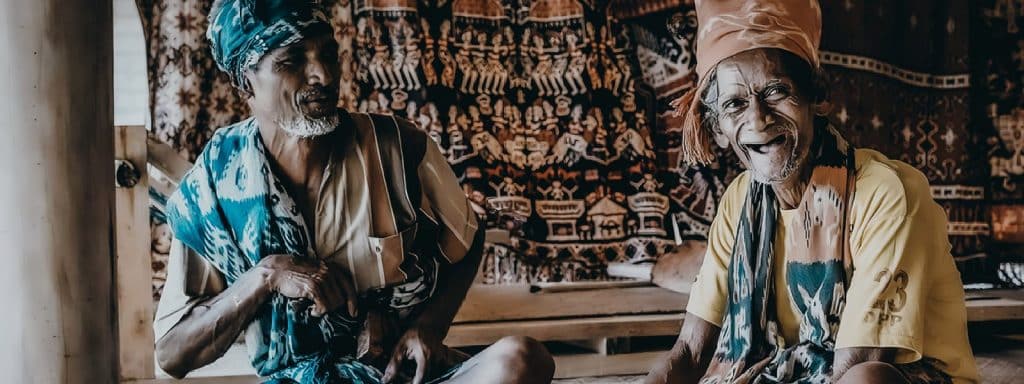
Sumba stands apart for community-first, sustainability-focused codes (mandatory 50m coastal setback; water, waste mandates for new builds). The Sumba Iconic Island and new green zones foster solar and rain capture. All land development now requires participatory zoning with Marapu elders—a crucial process for investor approval, but a robust shield for culture and environment.
6. Challenges and Cautions
- Wet season logistics: Some rural routes remain slow/passable only by 4WD for part of the year.
- Land due diligence: Title records can be uncertain outside government-backed zones—always verify cadastral status with a trusted notary.
- Social License: Early, sincere engagement with village heads, community liaisons, or local Kabisus (clans) is non-negotiable for long-term project success.
Conclusion:
Sumba’s road, port, power, and digital expansions by 2030 are reshaping its future without sacrificing cultural authenticity or environmental integrity. The land market is bullish but remains accessible for investors who are ready to engage honestly, build community partnerships, and innovate for sustainability.
To learn more about exclusive villa investment opportunities on the island’s surf-facing frontier, reach out to the Kabisu Sumba team. Our upcoming villas—designed for eco-conscious living, optimal rental yield, and seamless integration with Sumba’s wild landscape and thriving community—are crafted for investors who value both growth and positive impact. With Sumba’s infrastructure transformation accelerating and land availability limited, this is the moment to secure your stake in Indonesia’s last hidden jewel.
Contact Kabisu Sumba today for full villa details, on-site tours, and personalized investment consultation. Join us in shaping Sumba’s sustainable future—one villa at a time.
For a deeper understanding of the island’s culture and environment that shape its future potential, visit our Discover Sumba guide.