Sumba vs Lombok: Which Island Offers the Better Investment Opportunity?
Sumba and Lombok are two Indonesian gems drawing rising investor interest, but they offer very different paths. Lombok, long a laid-back surfers’ haven near Bali, is now rapidly developing with government-backed projects and big tourism investments. Sumba, in contrast, remains a quiet frontier of “barefoot luxury,” prized for its untouched nature and exclusive vibe.
This article compares Sumba vs Lombok from an investment perspective, balancing Lombok’s infrastructure and visibility against Sumba’s preservation and high-end appeal. In the end, we’ll reveal why we chose Sumba for Kabisu, as the island that offers long-term value, harmony with nature, and genuine exclusivity.
Lombok: Government-Backed Growth & Mega-Project Momentum
The strengths.
Lombok has strong tailwinds from Indonesia’s tourism planners. The island is part of a national “New Bali” initiative, with major developments like the Mandalika Special Economic Zone, a multi-billion-dollar project featuring new hotels, parks, and the MotoGP racetrack. International events have already put Lombok on the global stage, accelerating infrastructure: an upgraded airport, new highways, and direct flights from hubs like Kuala Lumpur, Singapore, and Perth. For investors, this creates a maturing market: accessible, visible, and supported by policy.
The challenges.
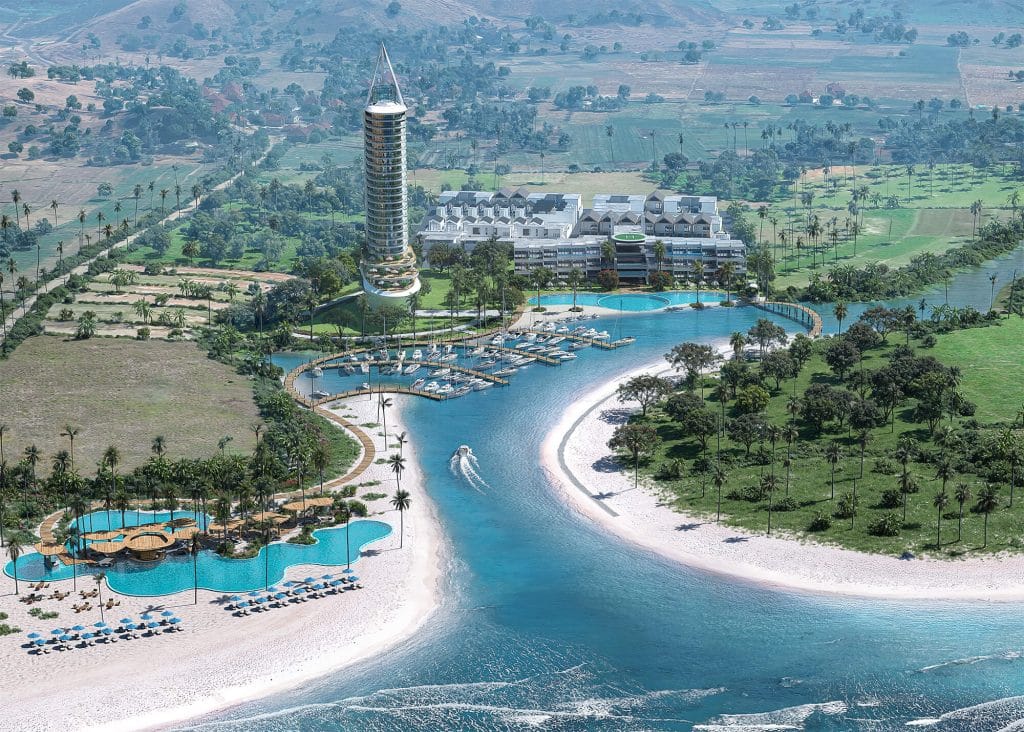
The flip side of Lombok’s boom is the risk of “Bali-fication.” Rapid growth and mega-projects such as the proposed Marina Bay City resort, promising hundreds of rooms, may flood the market with supply. While such projects bring more guests, they can also trigger a race to the bottom on room rates as competition rises. Beyond economics, there’s cultural and environmental strain. Local communities have raised concerns around Mandalika’s development, issues echoed in BBC coverage. Lombok’s challenge now is to grow without losing the identity that made it special.
Sumba: Preserved Paradise with Exclusive Upside
The strengths.
Sumba’s allure lies in what it doesn’t have. The island, roughly twice the size of Bali, has no international airport, no crowded highways, and only a handful of boutique resorts. That’s not a weakness; it’s the foundation of its exclusive, low-density appeal.
Access currently requires a short hop from Bali, and soon, from Lombok itself, with a new direct route expected to open by late 2025 or early 2026. This connection will allow Sumba to benefit from Lombok’s growing accessibility and visibility, without inheriting its mass-tourism dynamic. Lombok will bring the traffic, Sumba will capture the travelers seeking something quieter, rarer, and more meaningful. In other words: Sumba gains access, not crowds.
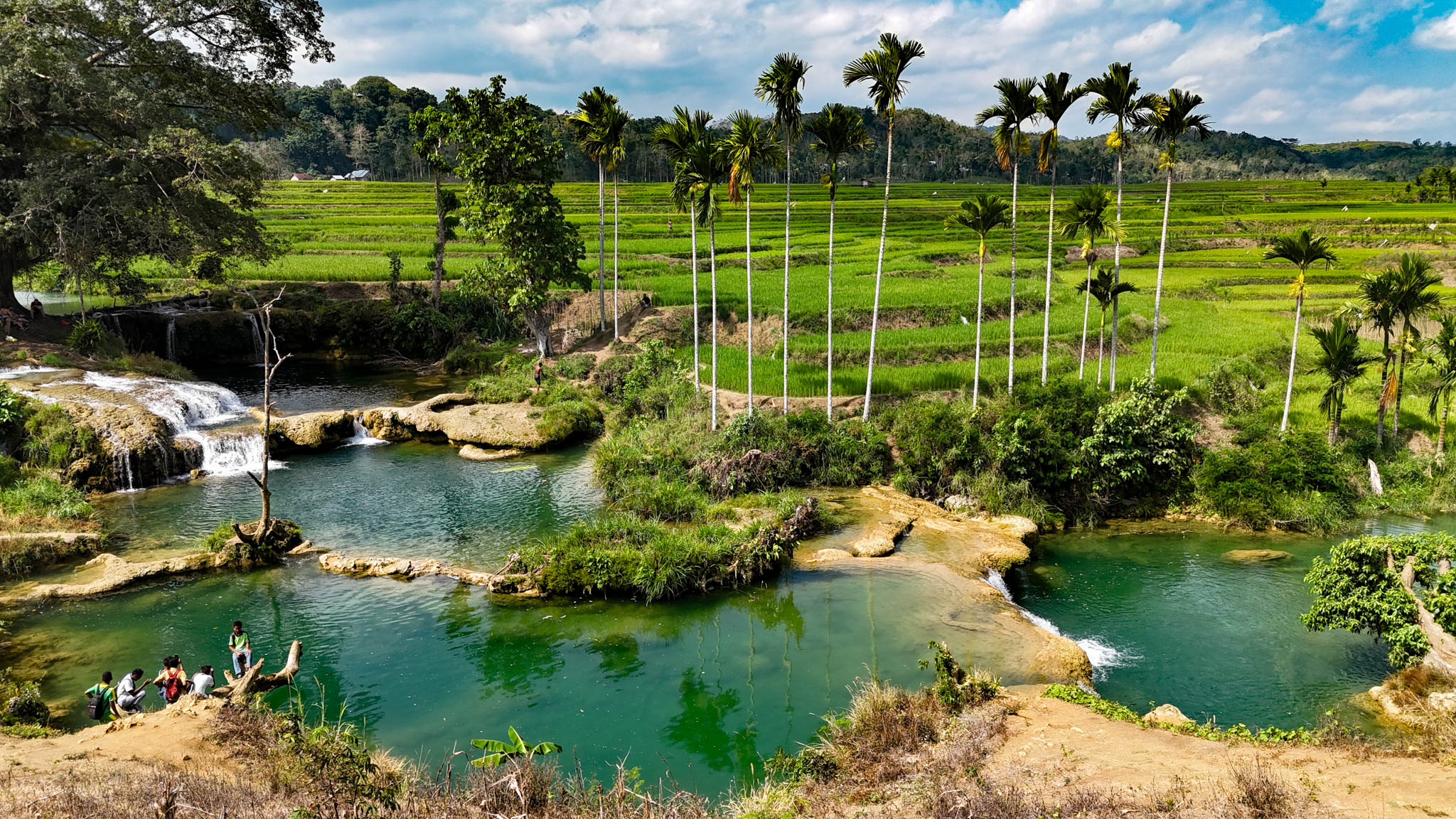
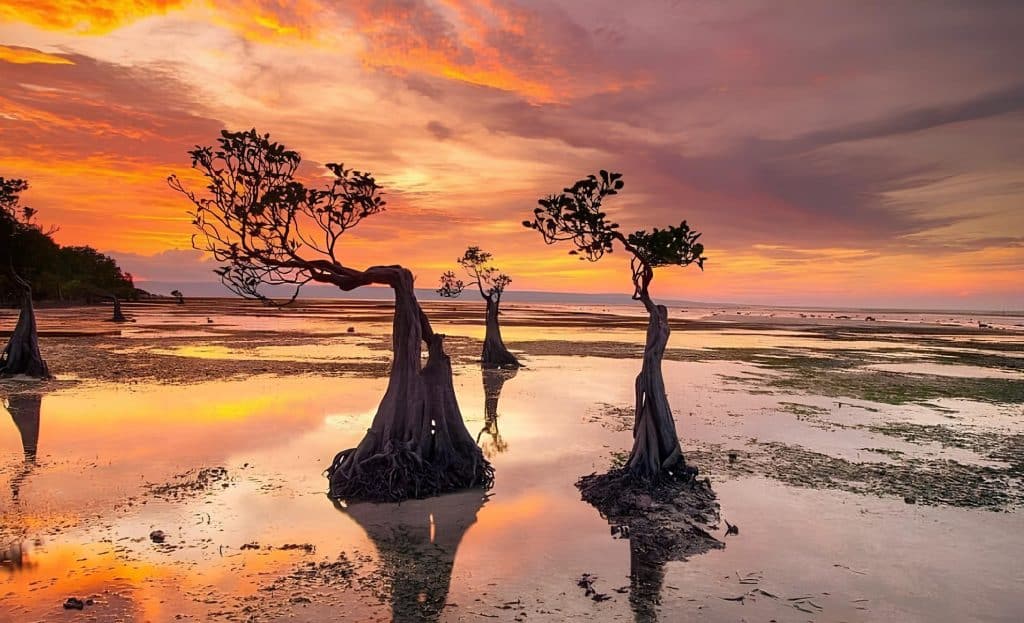
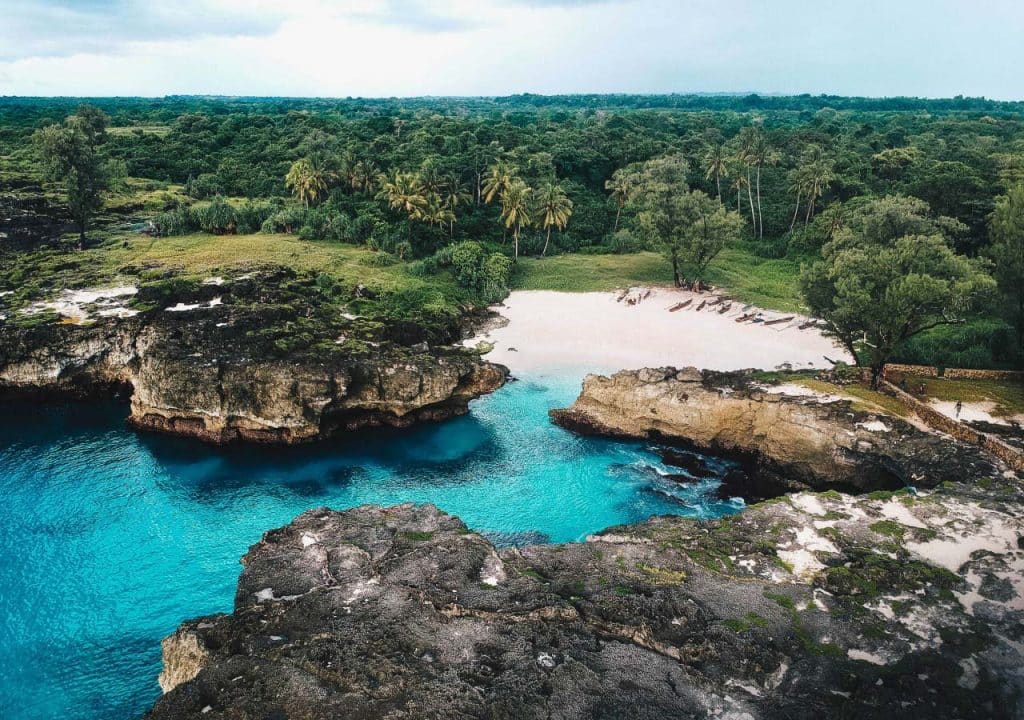
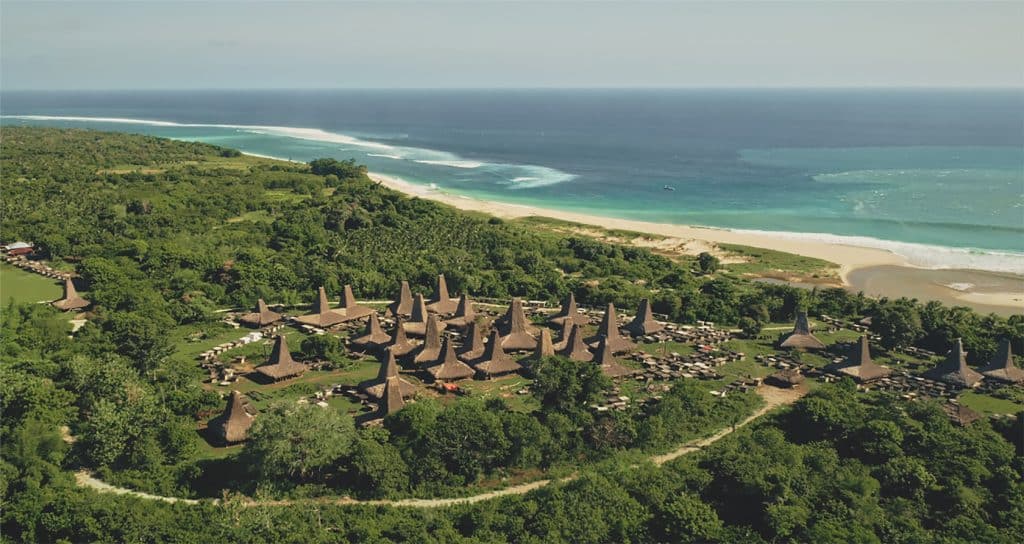
The result is a destination that feels untouched: wild beaches, tribal villages, and waterfalls where you can still be alone. With very limited room inventory and carefully curated projects, Sumba enjoys built-in scarcity. That scarcity gives investors an enviable advantage: pricing power. There’s no oversupply to drag down returns, and properties that align with the island’s sustainable ethos command strong occupancy and high nightly rates.
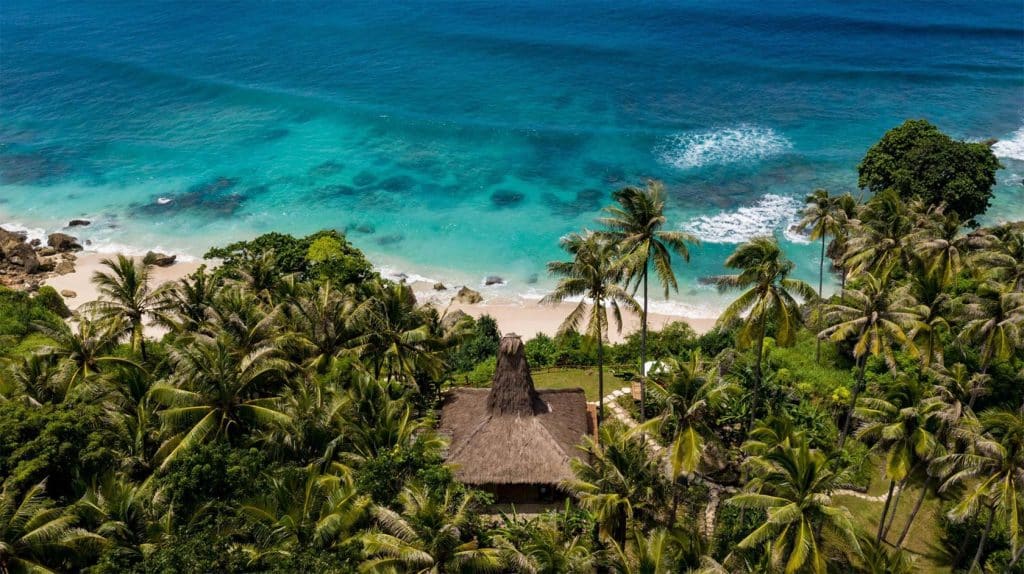
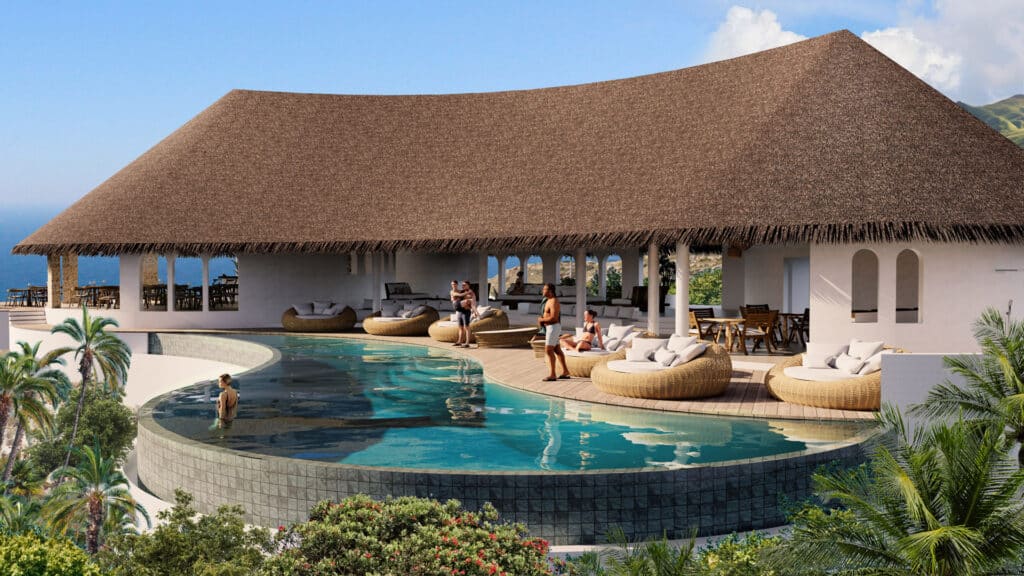
Sumba has also cultivated a luxury-first reputation. Its flagship resort, NIHI Sumba, helped anchor the island’s image as the epitome of “barefoot luxury.” New eco-conscious developments, from The Sanubari to boutique retreats and Kabisu, continue that narrative: refined design, local collaboration, and respect for the land.
The challenges.
Sumba’s slower pace and lighter infrastructure demand patience. It’s not the market for quick flips; it’s for investors seeking enduring value. But that slower development curve is precisely what protects the island. Less accessibility means more exclusivity. Every upgrade, like the upcoming Lombok–Sumba flight, is an evolution, not an explosion.