Skip to content

Alternative to Bali Real Estate: Exploring Indonesia’s Emerging Markets

Beyond Bali: A New Real Estate Story in Indonesia

For many international investors, Bali was the gateway into Indonesia: a place where tourism, lifestyle and real estate all came together in one familiar name.

But over the last decade, Bali has changed. Prices have climbed, competition has intensified, and it’s harder to find that feeling of “getting in early”. As a result, more and more people are quietly asking the same question:

“If not Bali, where should I look next in Indonesia?”

This article is for those investors, people who still believe in Indonesia’s long-term story, but are now actively looking for an alternative to Bali real estate: somewhere with more scarcity, more space, and a different development philosophy.

Why Some Investors Are Looking Beyond Bali

Let’s be clear: Bali is not “over”. It remains a powerful global brand with deep tourism demand. But from an investment point of view, several trends are pushing thoughtful investors to look beyond it:

  • Crowding and competition
    In key areas, it’s harder to stand out. There are simply more villas, more operators, and more similar offerings fighting for the same guests.
  • Yield compression
    As land and build costs have risen, yields on new projects often don’t look like the “Bali 10–15 years ago” story that people have in mind.
  • Lifestyle vs. portfolio balance
    Some buyers already own a place in Bali and are now thinking about diversification: “I don’t need a second villa in Canggu. I’d rather a very different exposure somewhere else.”
  • Desire for authenticity and space
    A growing segment of travellers and investors want quieter, more nature-focused destinations that feel less like mass tourism and more like a genuine place.

From this perspective, looking for a Bali real estate alternative is not an anti-Bali move. It’s a portfolio decision: a way to stay in Indonesia’s growth story while positioning yourself differently.

What Makes a Good “Alternative to Bali” Real Estate Market?

If you’re asking “Where should I invest instead of Bali?”, it helps to define what you’re actually looking for.

1. Long-term tourism story

You don’t just want a cheap piece of land; you want a place where tourism is growing in a healthy, sustainable way: nature, culture, experiences, not just mass arrivals.

2. Scarcity and controlled development

One reason early Bali investments performed so well is that key areas were limited and demand grew faster than supply. A true alternative should have:

  • Natural or intentional limits on density
  • Barriers to “copy-paste” overdevelopment


3. Realistic access

You don’t need an international airport next door, but you do want:

  • A clear travel path (for example via Bali, Lombok or Jakarta)
  • Reasonable travel times for your target guests


4. Entry price vs. maturity

A destination that’s too early may stay illiquid for a long time. One that’s too mature may already be priced like South Bali. A good alternative usually sits in the early-but-visible phase: people are talking about it, but it’s still far from saturated.

5. A clear narrative

“Next Bali” is a lazy label. The most interesting markets don’t try to be Bali 2.0; they build their own story:

  • Eco-luxury
  • Cultural immersion
  • Surf and nature
  • High-end, low-density retreats

This is where places like Lombok, Flores and Sumba come in.

Three Different Paths Beyond Bali: Lombok, Flores and Sumba

There is no single “right” alternative to Bali. Each island tells a different story.

Lombok: The natural extension

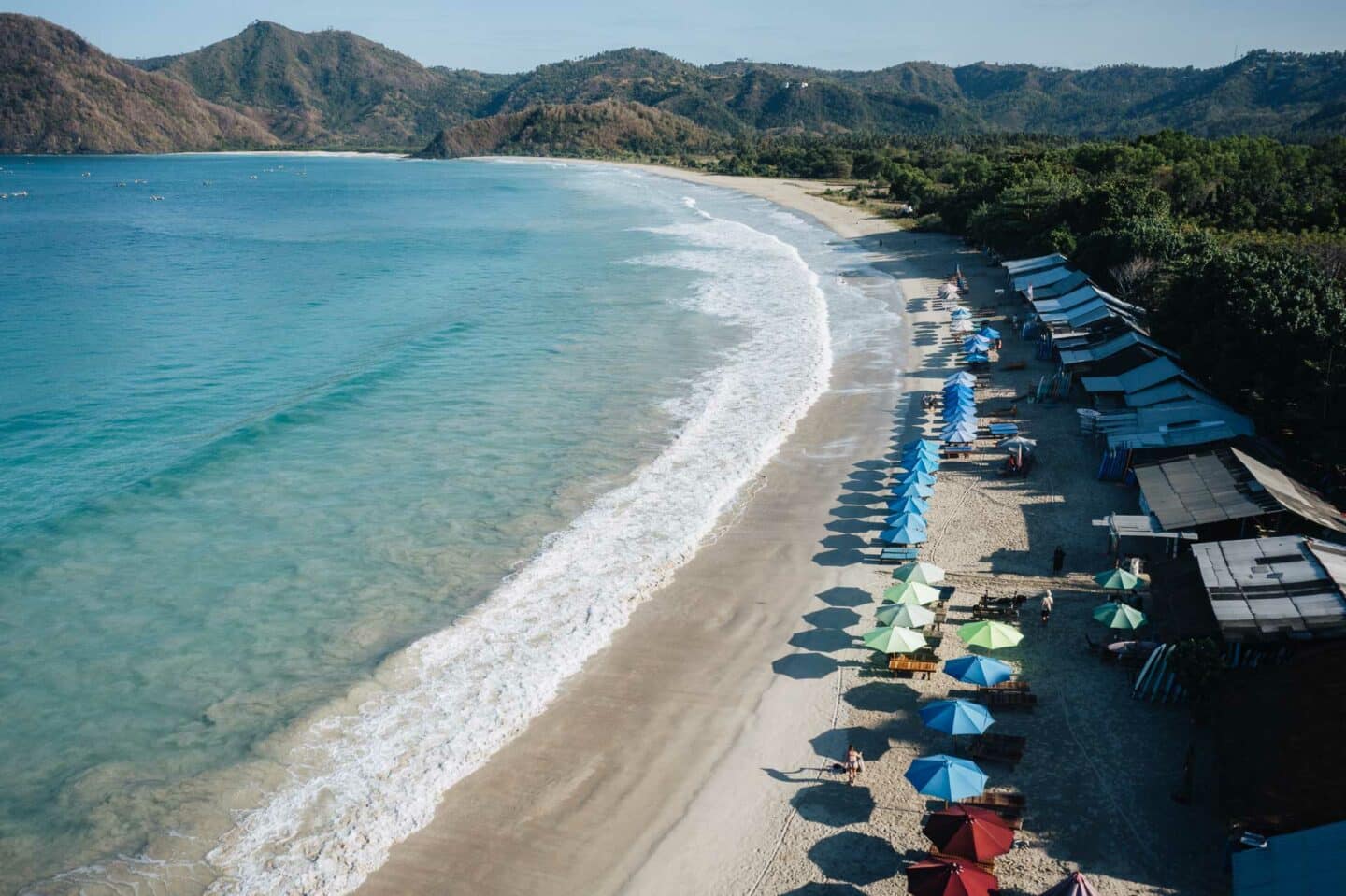
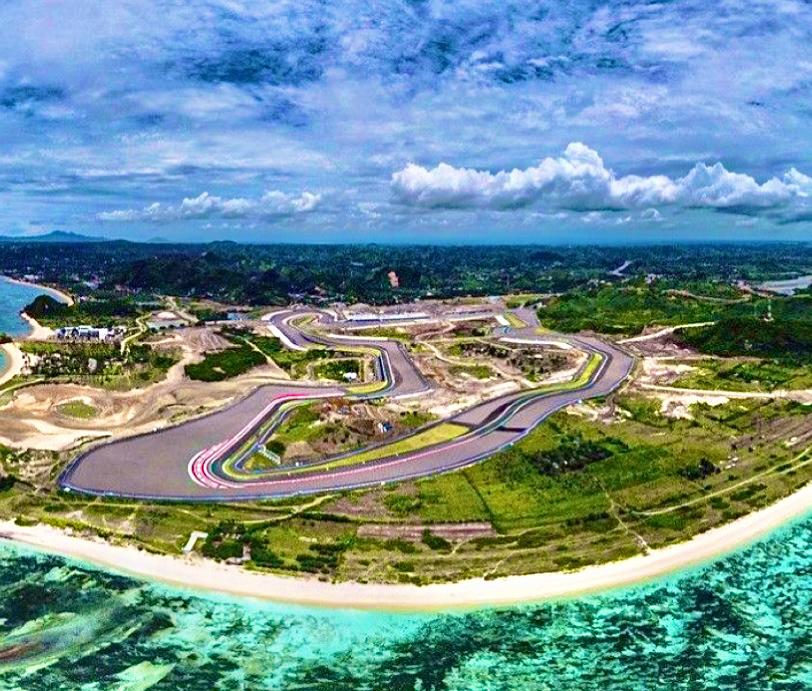
Lombok is often described as “Bali’s little brother”:

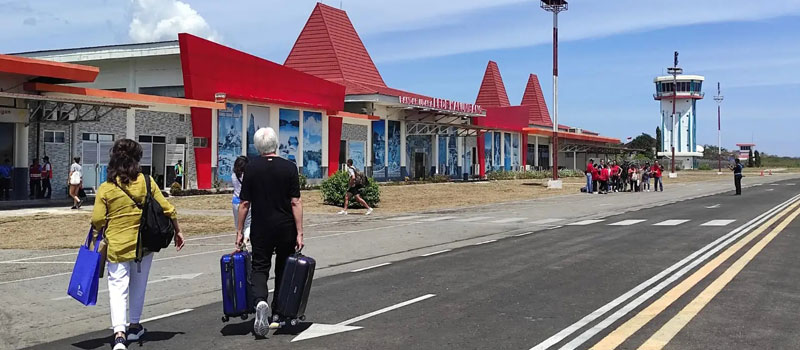
  • More infrastructure, including an international airport.
  • Significant resort, villa and land development, especially in the south.
  • A clear focus on beaches, surf, and relatively more space than Bali.

For some investors, Lombok is a comfortable next step: familiar enough, but with more room to grow. For others, it already feels like the next crowded hotspot in the making.

Flores / Labuan Bajo: Gateway to Komodo

Flores, and especially Labuan Bajo, has grown rapidly as the base for Komodo boat trips and diving:

  • Strong tourism appeal around marine experiences.
  • A mix of mid-range and upmarket hospitality.
  • Real estate that is increasingly tied to high-end tourism and hospitality investments.

It’s an attractive option if you believe in the long-term value of marine-focused tourism and gateway towns.

Sumba: A different rhythm

Then there is Sumba.
Instead of racing toward mass tourism, Sumba’s growth has been slower and more selective:

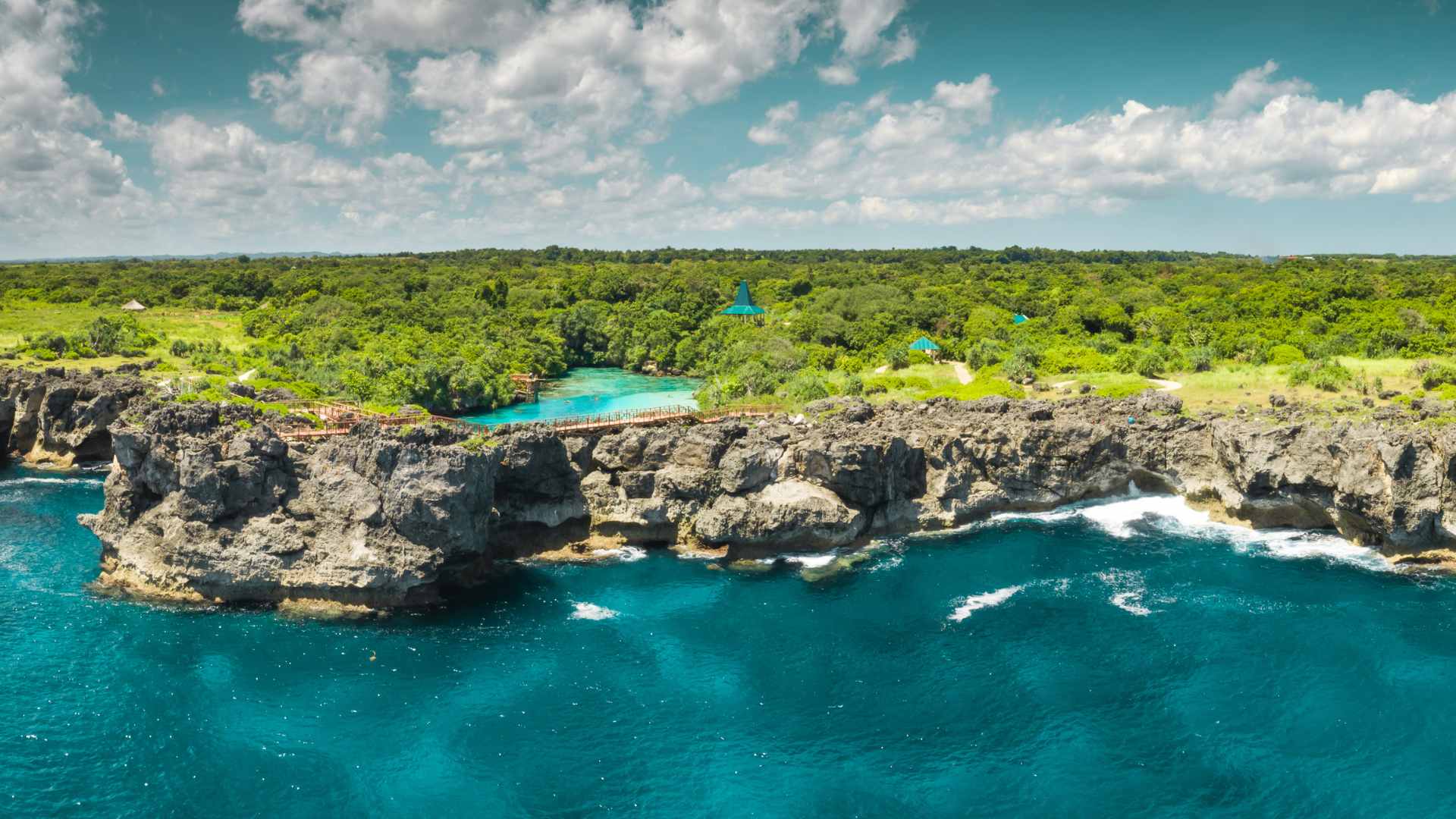
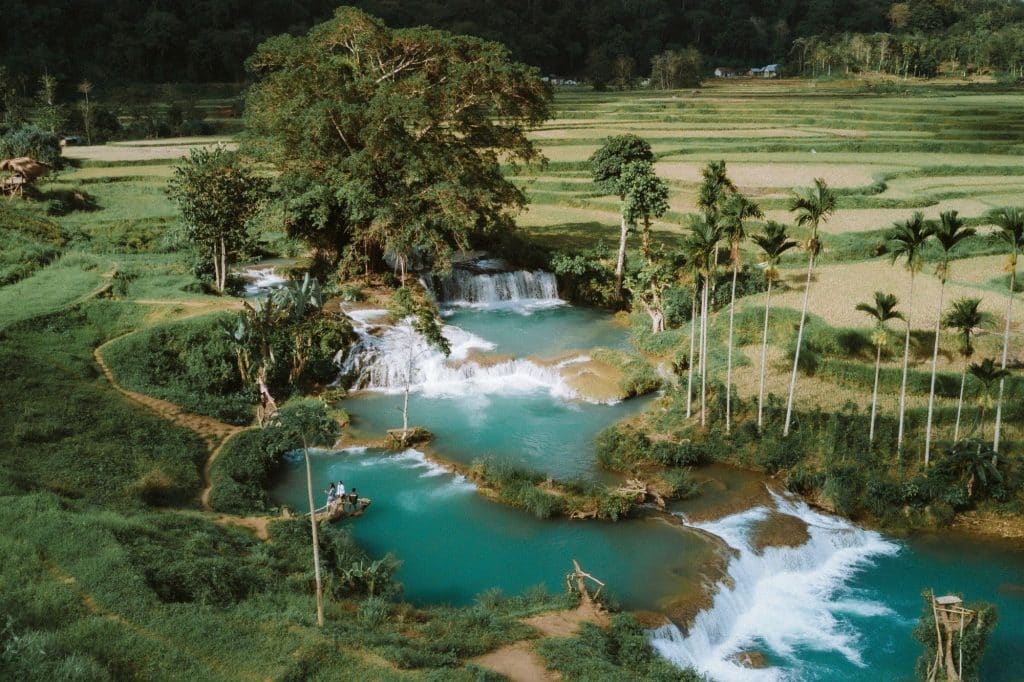
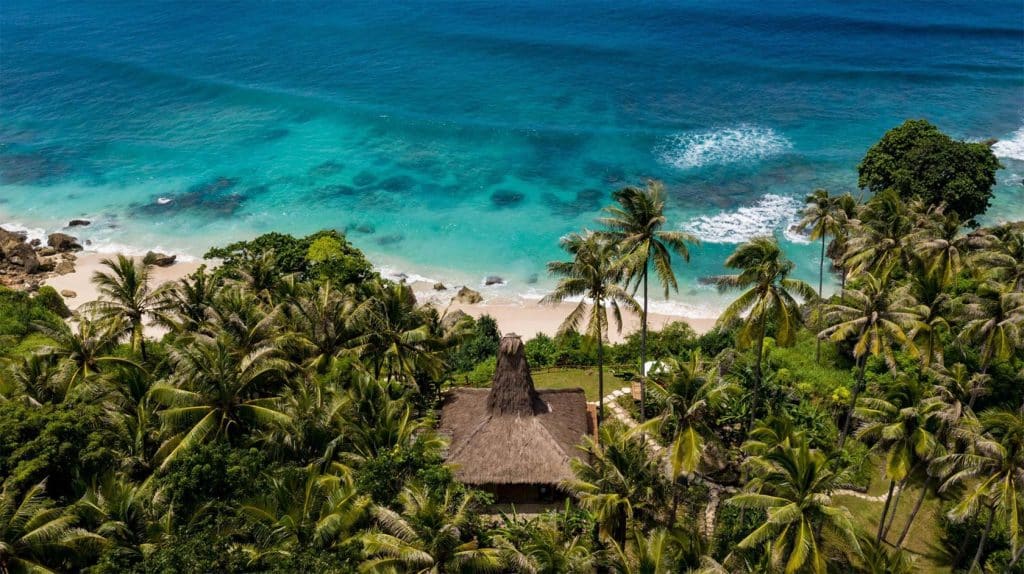
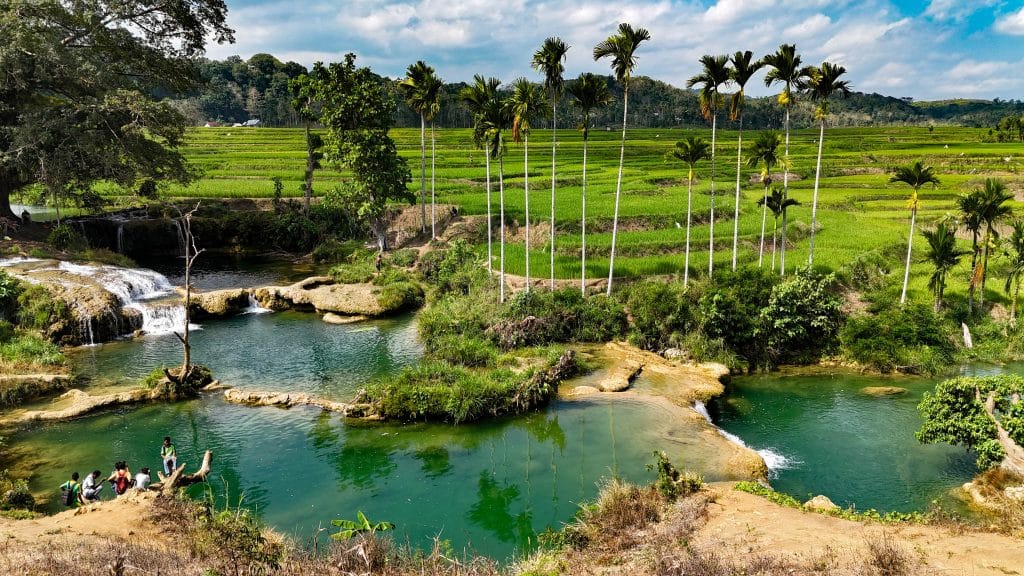
  • A strong identity built on wild landscapes, traditional Marapu culture and horses on empty beaches.
  • A handful of high-end, low-density resorts and villas, not large-scale condo blocks.
  • A development path that leans more toward scarcity and preservation than volume.

For investors seeking an alternative to Bali real estate that feels genuinely different, quieter, more spacious, more long-term focused, Sumba stands out.

Sumba: A Different Real Estate Story

Real estate in Sumba today doesn’t look like Bali, and that’s precisely the point.

  • There are far fewer projects, and very little “copy-paste” villa sprawl.
  • Land is still available in breathtaking locations, but the number of serious, professionally structured developments is small.
  • The island’s future seems more aligned with boutique resorts, eco-villas and curated experiences than with hundreds of similar listings on holiday rental sites.

From an investor’s perspective, that means:

  • You’re not just competing on nightly rate; you’re competing on story, setting and concept.
  • Your asset is part of a much smaller pool of comparable properties.
  • The bet you’re making is that a limited number of well-designed, well-managed projects will become reference points as Sumba’s reputation grows.

It is not a market for those seeking quick flips. It is, however, compelling for investors comfortable with a longer time horizon, strong alignment with nature and culture, and the idea of holding something scarce.

From Real Estate to Villas: How Kabisu Fits Into the Picture

At Kabisu, we didn’t set out to build a generic development and then market it as “eco”. The starting point was Sumba itself: its cliffs, its ocean views, its villages, its pace.

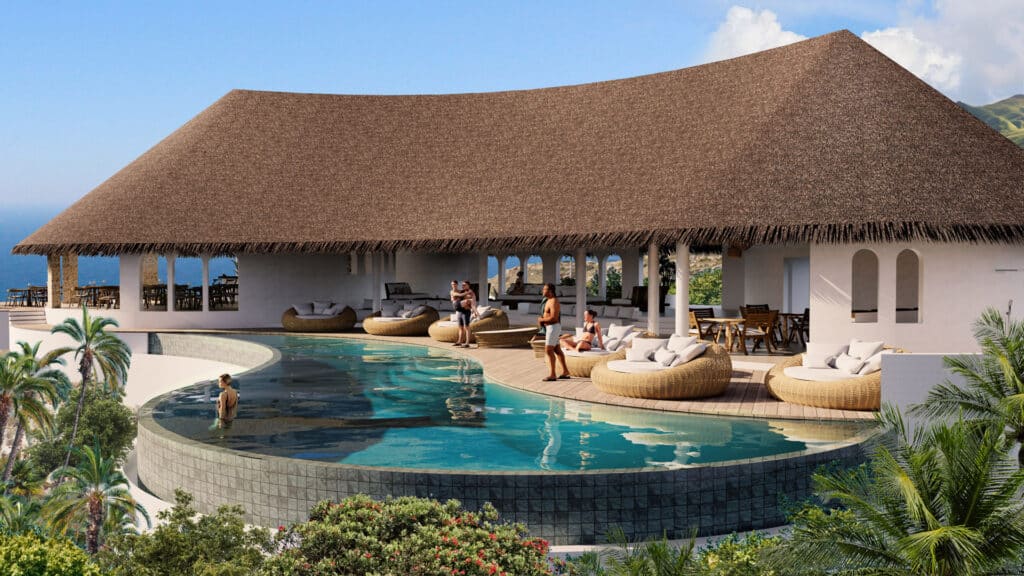
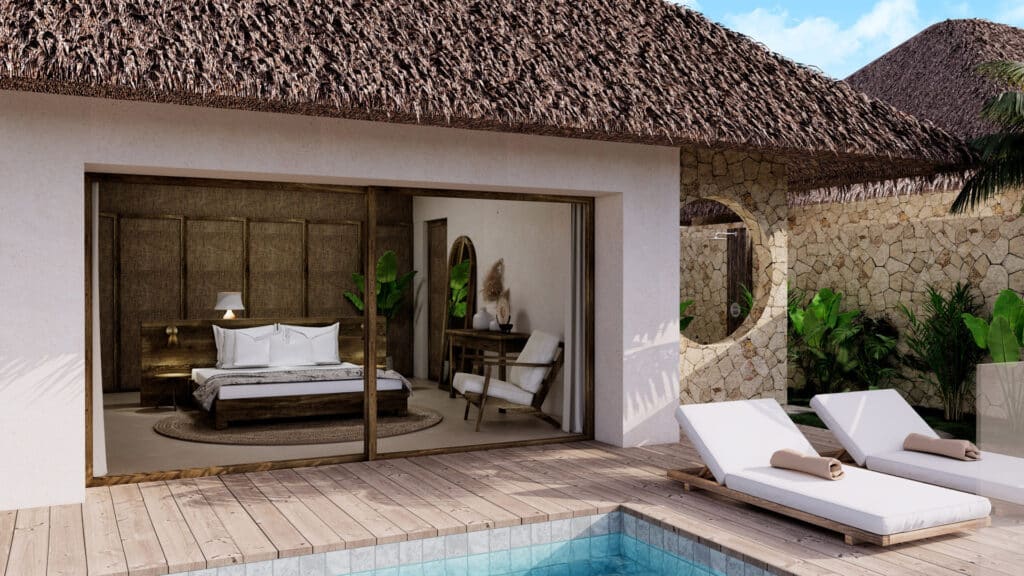
From there, the project evolved into a boutique resort with a limited number of villas, designed to:

  • Respect the landscape rather than dominate it.
  • Offer a managed, turnkey way to participate in Sumba’s real estate story.
  • Align owners’ interests with the long-term health of the resort and the island.

In practical terms, that means:

  • You’re not just buying a standalone house; you’re buying into a resort ecosystem with common standards, services and positioning.
  • Your villa is professionally managed for rentals, maintenance and guest experience.
  • The structure is designed so that you have exposure to real estate in Sumba without needing to manage every detail yourself.

For investors used to Bali or Lombok, Kabisu offers a different equation:

Less about chasing the highest occupancy in a crowded market. More about being part of a small, carefully curated project in a place where supply will likely remain limited.

Is an Alternative to Bali Real Estate Right for You?

Choosing a destination like Sumba is not just a financial decision; it’s also a personal and strategic one. A few questions can help:

  • Time horizon
    Are you comfortable thinking in 6/7+ years, not 2–3? Frontier markets reward patience.
  • Diversification
    Do you already have exposure to more mature markets (Bali, urban real estate, traditional assets), and now want something different?
  • Risk profile
    Are you at ease with a place that is earlier in its development, with potentially fewer comparables, but also fewer direct competitors?
  • Values and lifestyle
    Does the idea of a quieter island, with strong local culture and nature, resonate with you more than nightlife and density?

If you’re looking for quick, speculative gains, a classic urban or mainstream holiday market might fit better. If you’re drawn to scarcity, authenticity and aligned development, then an island like Sumba and a project like Kabisu might match you surprisingly well.

Risks and Realities: Being Honest About Frontier Markets

Any honest conversation about an alternative to Bali real estate should also address the risks:

  • Liquidity
    Reselling in an emerging destination is different from selling in a saturated market. There are fewer buyers, but also fewer competing properties.
  • Infrastructure and services
    Things improve over time, but infrastructure on a smaller island will never feel like a major city or a hyper-developed resort zone.
  • Regulatory and structural complexity
    Indonesia has its own rules, and it is essential to work through proper legal structures (such as a correctly set-up PT PMA and well-drafted agreements).

The role of a project like Kabisu is precisely to help navigate these elements by:

  • Providing a clear legal and operational framework for ownership.
  • Managing the resort and villas with a long-term view.
  • Aligning investor expectations with the real pace of the island.


Next Steps: Exploring Your Own “Beyond Bali” Strategy

If you’ve read this far, chances are you’re not just casually dreaming about a second home. You’re thinking about:

  • How to position your portfolio within Indonesia over the next decade.
  • Whether a scarcity-based story like Sumba fits your goals and values.
  • How to balance lifestyle use, potential rental income and long-term appreciation.

From here, you might:

  • Read more detailed comparisons like Sumba vs Bali or Sumba vs Lombok to see how these markets differ in concrete terms.
  • Explore the Kabisu resort concept and villas to understand how a single project can serve as your “alternative to Bali real estate” exposure.
  • Start a conversation with us about your situation, your time horizon, and how a villa in Sumba could fit into the bigger picture of your investments.

Indonesia is bigger than Bali. For some investors, that simple idea is where the next chapter begins.

Discover More About Sumba