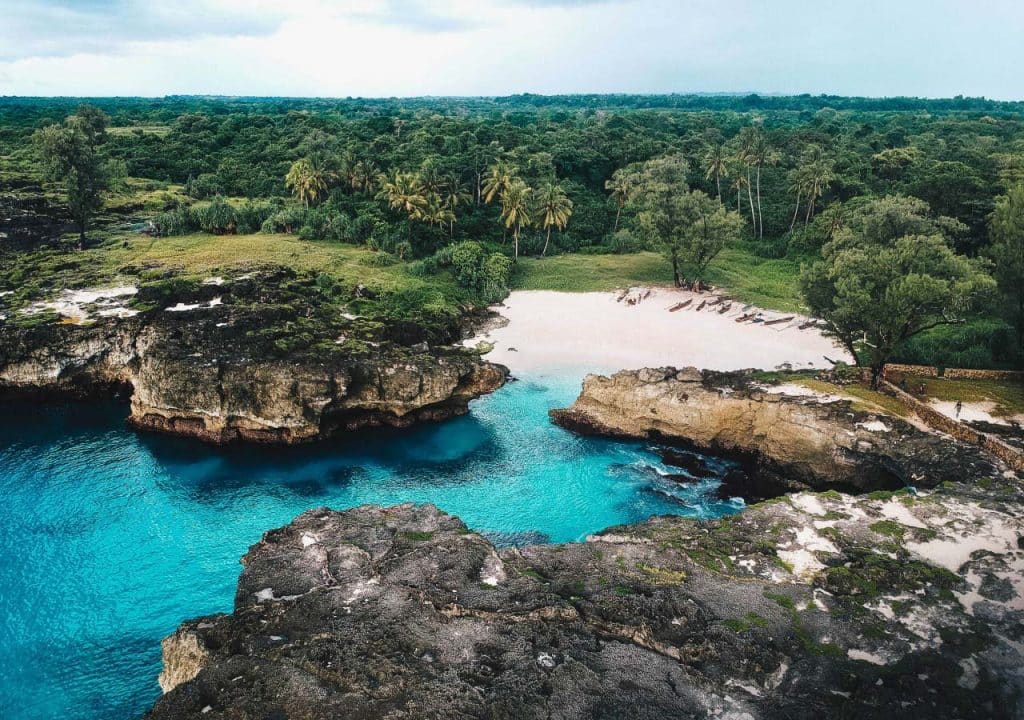
Investing in Sumba, the Last Untouched Paradise
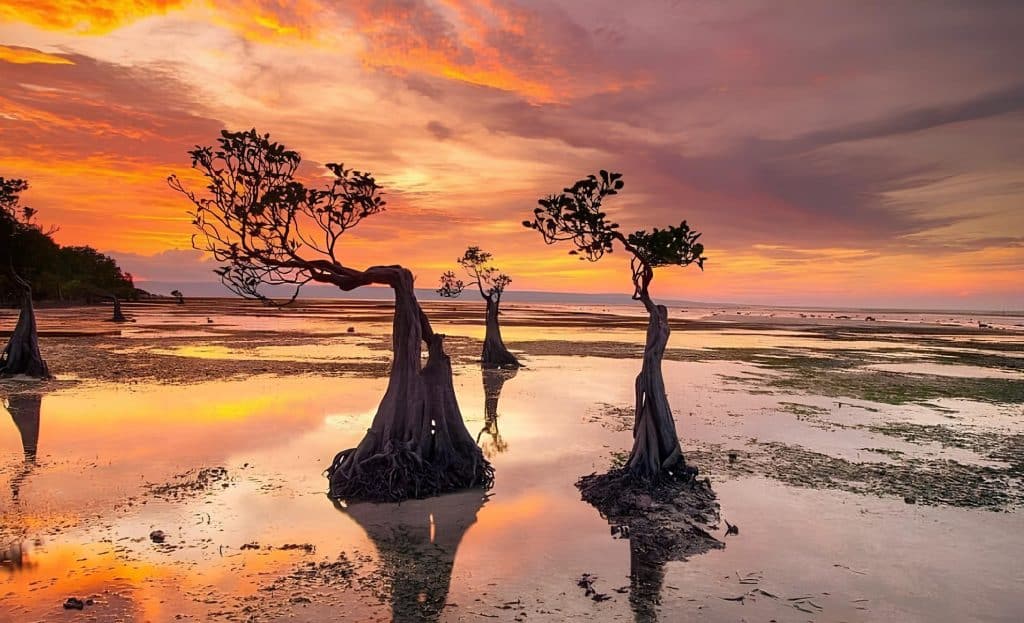
As Bali and Lombok grow increasingly saturated, savvy investors are turning their gaze east — toward Sumba, a wild and culturally rich island that’s quietly becoming Indonesia’s next frontier for sustainable development. With its rolling savannahs, world-class surf breaks, untouched beaches, and deeply rooted traditions like Marapu, Sumba offers more than just beauty — it offers meaning.
In 2025, investing in Sumba isn’t about quick wins or mass tourism. It’s about building something lasting — in harmony with the land, the culture, and the people. Whether you’re looking to acquire land, develop boutique villas, or support community-based tourism, this guide will walk you through what you need to know before stepping into one of Southeast Asia’s most promising landscapes.
1. Why Sumba? Indonesia’s Untapped Frontier
Sumba remains one of the least developed islands in Indonesia’s archipelago — and that’s precisely its appeal. While places like Bali are grappling with over-tourism and rising costs, Sumba offers a rare mix of affordability, authenticity, and room for thoughtful growth.
Before exploring the investment details, take a moment to get to know the island’s landscapes, traditions, and way of life in our Discover Sumba guide.
It has:
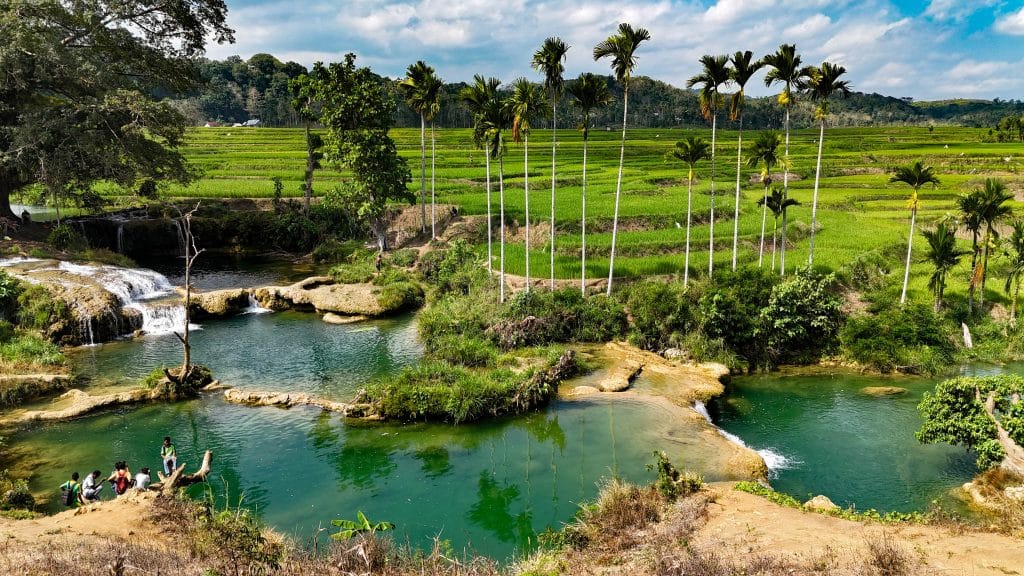
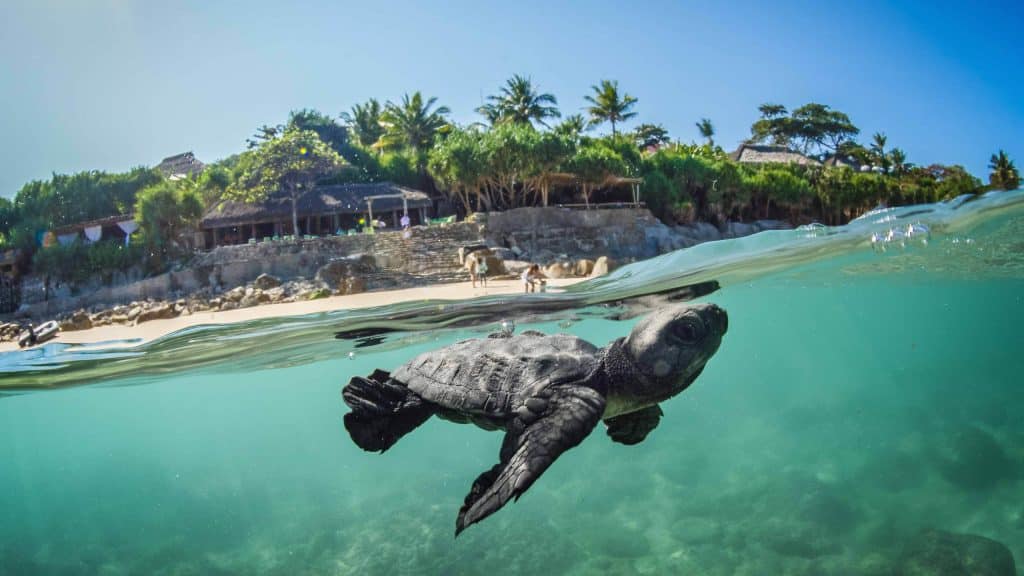
Pristine beaches and surf spots with virtually no crowds
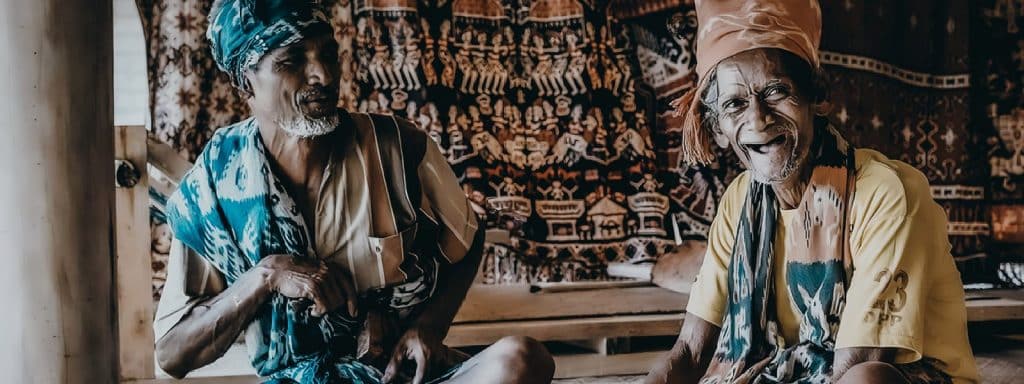
Traditional villages and megalithic culture untouched by mass tourism
Growing media attention and inclusion in sustainable travel rankings
The combination of raw nature and rich cultural heritage makes Sumba an ideal canvas for mindful investors.
2. Is Sumba on the Rise? Signs of Emerging Growth
In the past five years, Sumba has seen:
Improved flight access (with daily flights from Bali to Tambolaka)
Upgraded infrastructure, especially in West Sumba
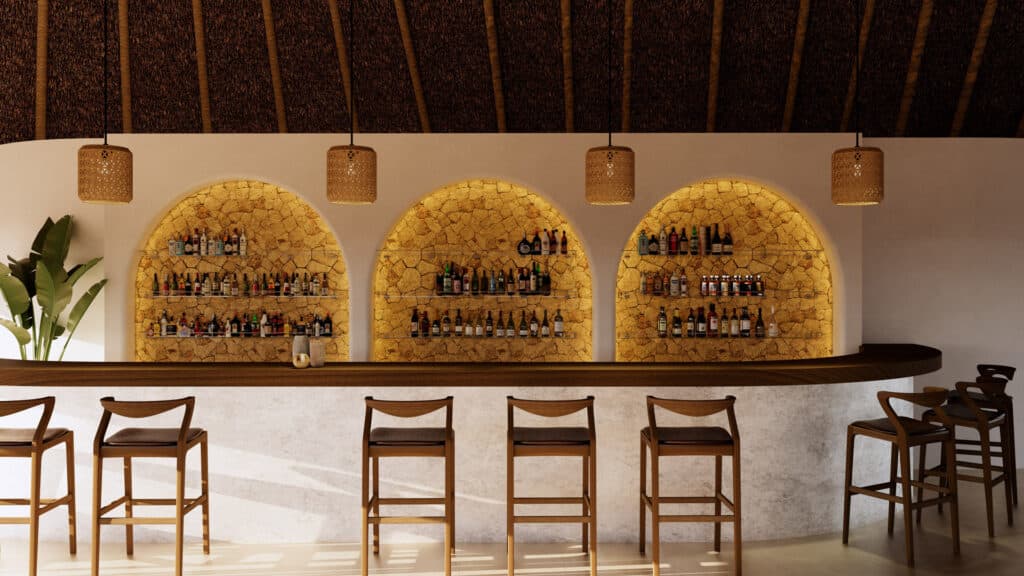
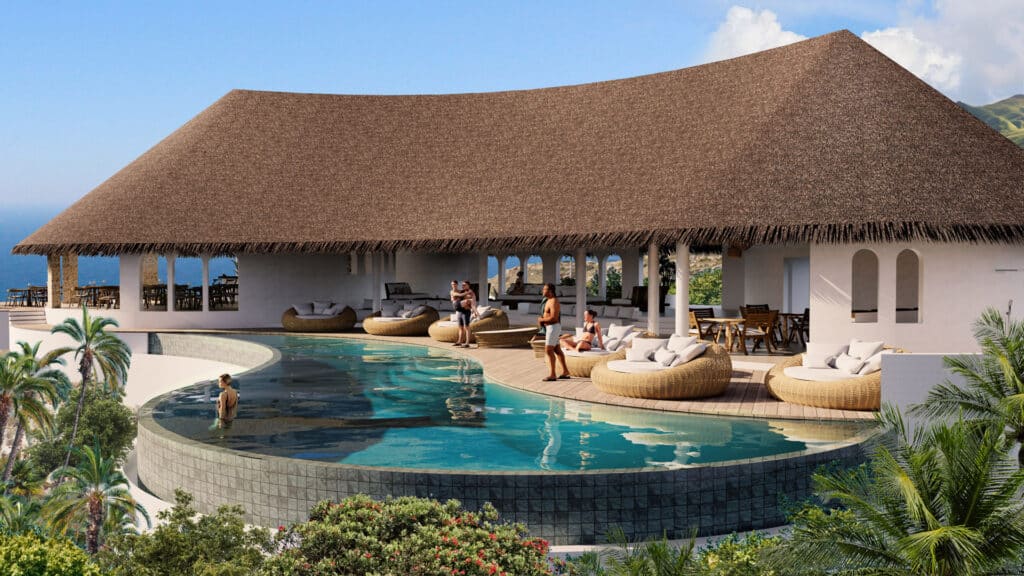
New eco-resorts and boutique villa developments beginning to appear
Increased government and NGO interest in sustainable tourism and development
Sumba is not a gold rush, but a slow, steady awakening. Early movers who respect the pace and rhythm of the island stand to benefit most.
3. What Can You Invest In? Land, Villas, and Hospitality
Opportunities in Sumba span:
Beachfront land: Ideal for long-term investment or resort development
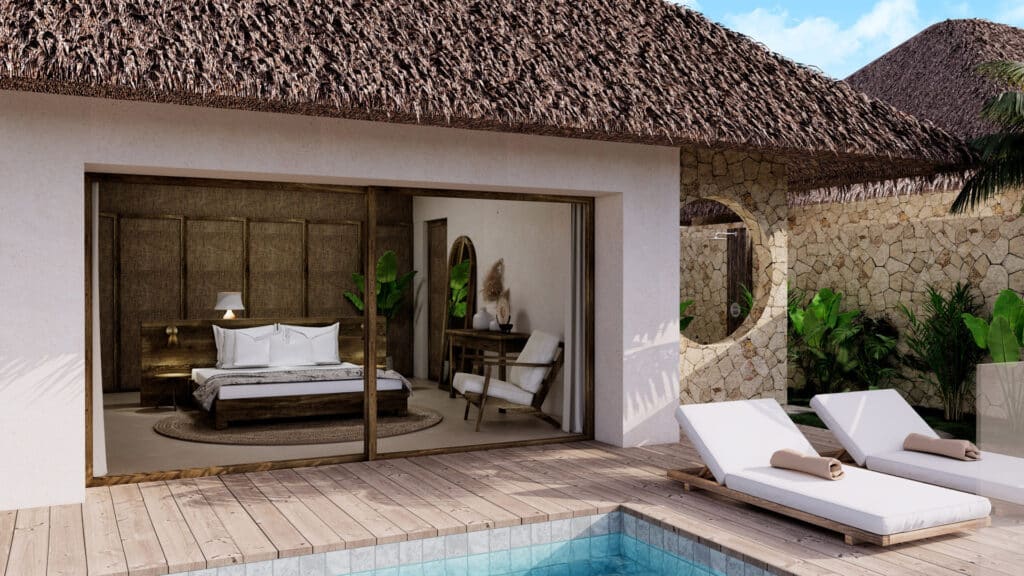
Off-plan villas: High potential if paired with a strong local management team
Eco-resorts or boutique hotels: Small-scale, sustainable projects are welcomed
Community-based tourism: Partnerships with local villages to promote cultural stays or guided experiences
The key is to choose projects that align with the island’s ethos — low-impact, high-integrity.
4. Legal Framework: Can Foreigners Own Property in Sumba?
Foreigners can’t directly own freehold land in Indonesia, but there are common legal pathways:
Leasehold (Hak Sewa): Long-term leases (typically 25-30 years, renewable) are widely used
PT PMA (Foreign-Owned Company): A legal entity that allows foreign ownership and business activity, including land acquisition under the company name
Nominee structures (less recommended): Riskier and legally sensitive
Always work with a trusted local notary (notaris) and legal advisor familiar with land in East Nusa Tenggara.
5. Where to Invest: West Sumba vs East Sumba
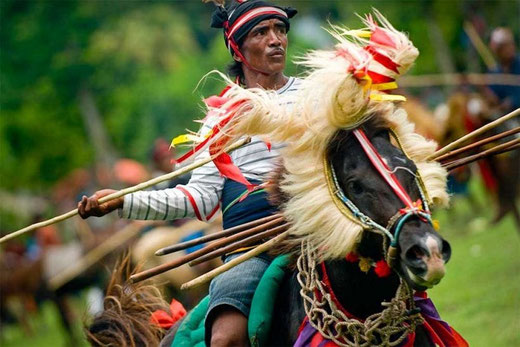
West Sumba: More accessible (via Tambolaka Airport), closer to surf spots, emerging resorts like Kabisu Sumba, and the Pasola festival.
East Sumba: Rugged, more remote, and culturally rich, but requires more time and infrastructure investment.
Most early investors are focusing on West Sumba due to better infrastructure and tourism flow.
6. Partnering Locally: Why Collaboration is Key
In Sumba, community is everything. Respect for the local people, traditions, and land ownership structures is essential. Partnering with a local Kabisu (clan), village head, or cultural advisor helps:
Foreign-led development must be collaborative, not extractive.
7. Sustainable Investment: Building With Purpose
The future of investment in Sumba is sustainable. That means:
Using local materials and traditional design principles
Hiring and training locals wherever possible
Minimizing environmental impact (solar, rainwater collection, waste management)
Celebrating Sumba’s culture, not replacing it
Projects that prioritize people, planet, and profit equally will thrive here.
8. Case Study: Kabisu Sumba as a Model
Kabisu Sumba is a boutique resort inspired by the Sumbanese concept of “Kabisu” — meaning clan or tribe. The resort was designed in collaboration with local leaders, using sustainable materials, and operating with respect for Marapu traditions.
Its logo represents the Kabisu tribe, honoring the community that has protected this land for generations. Kabisu is more than a resort — it’s a cultural bridge and a working model for meaningful, long-term investment in Sumba.
9. Getting Started: Steps to Launch Your Sumba Investment
Visit the island and get to know the land, the people, and the rhythm of life
Connect with local experts, developers, and legal advisors
Choose your model — lease, PMA, or partnership
Secure land and permits through transparent channels
Build with integrity, and partner with locals every step of the way
Final Thought
Sumba doesn’t need to be another Bali. It can be something far more meaningful. If you’re ready to build with purpose, invest with care, and join a growing movement of conscious developers, Sumba is waiting.
Interested in learning more about Kabisu Sumba? Click here to discover how you can stay, invest, and become part of a real tribe — not just a trend.