Pasola: The Thrilling Festival Where Sumba’s Spirit Comes Alive
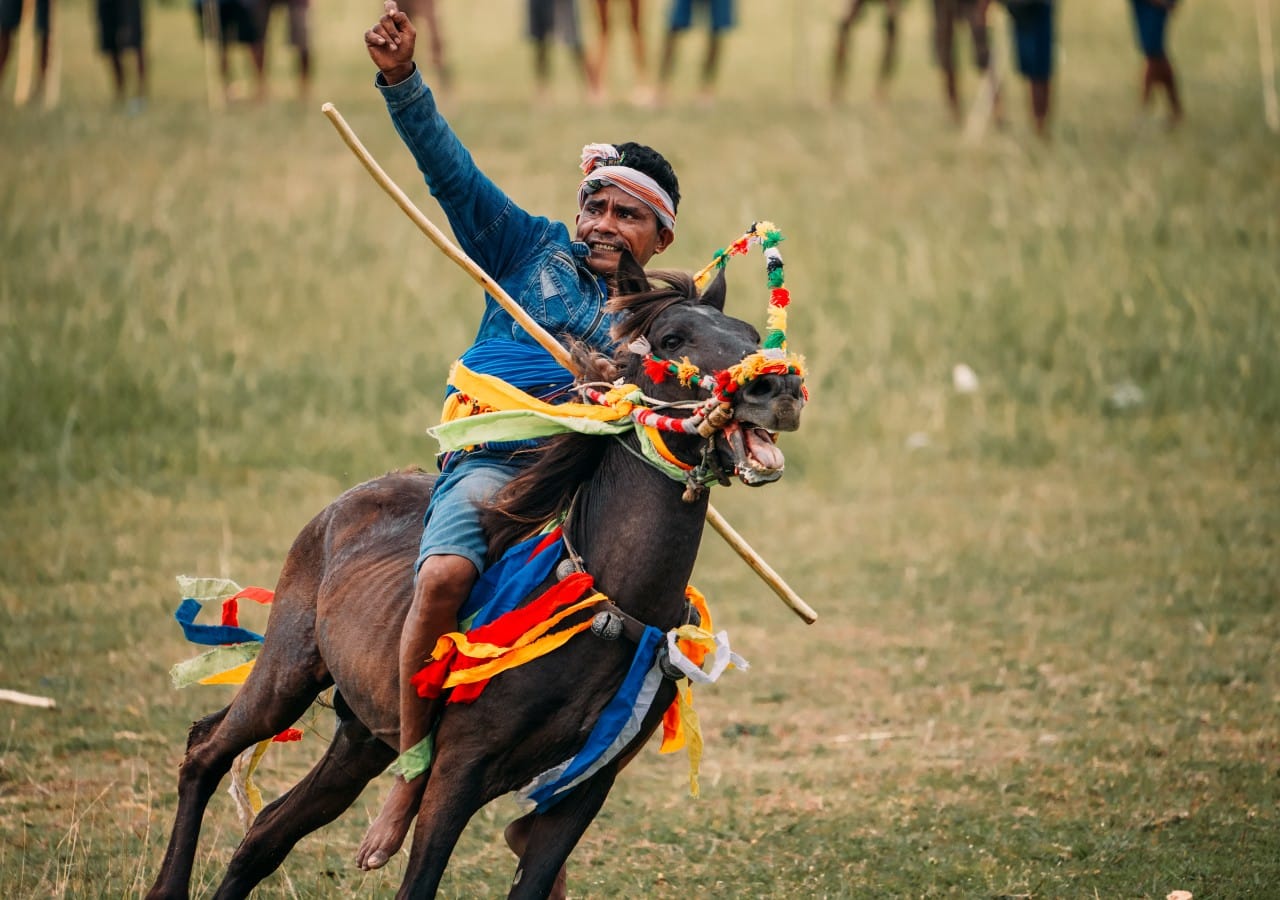
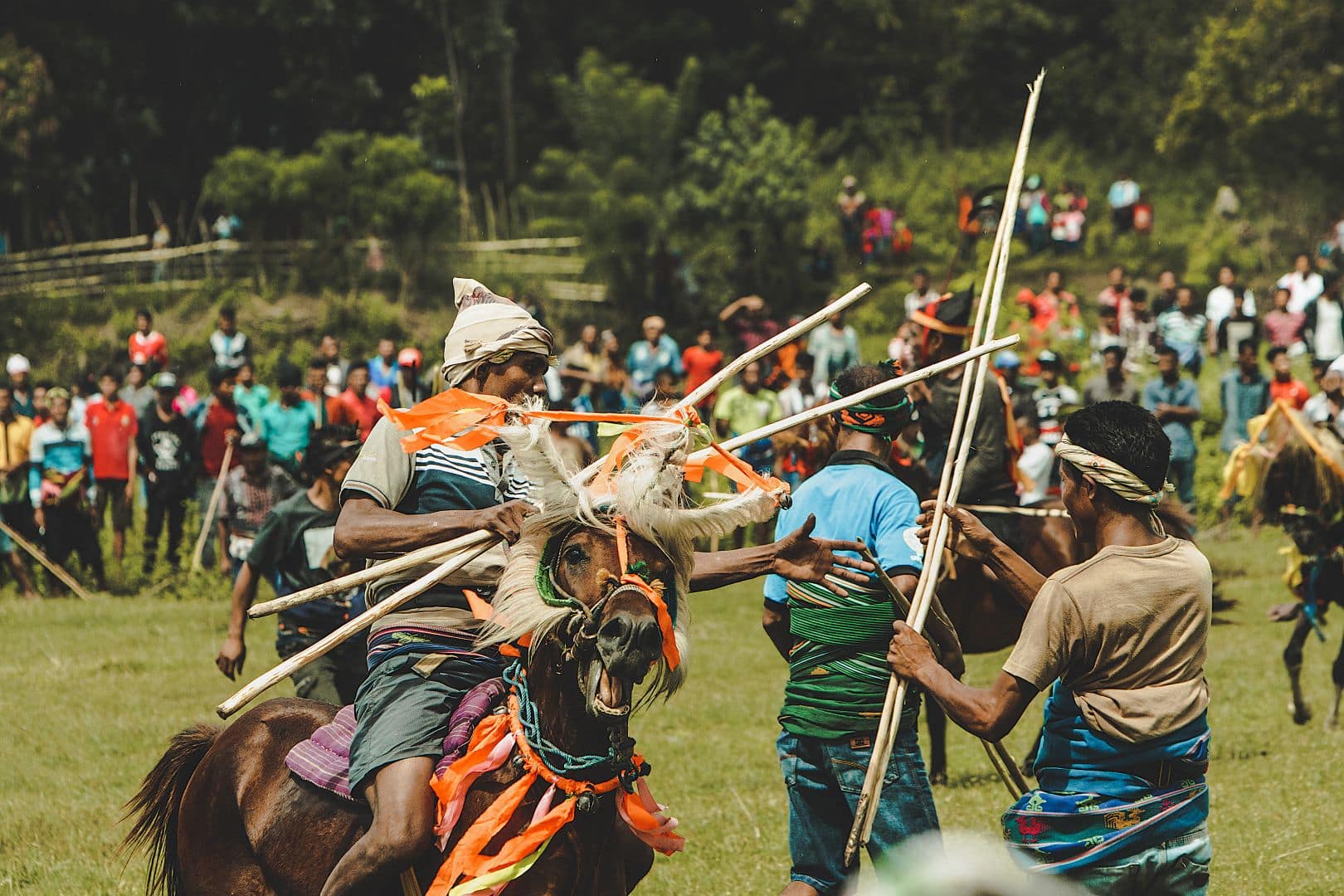
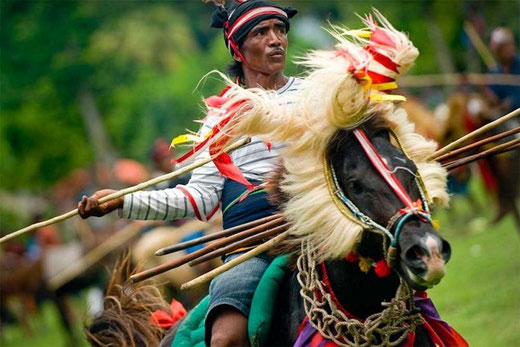
The thunder of galloping horses, the flash of spears glinting in the sun, and the roar of an awestruck crowd—few cultural spectacles compare with Pasola, the legendary war-game of West Sumba, Indonesia. Each year, clans from rival districts converge on an open field ringed by waving grasslands to reenact ancestral battles that date back centuries. The contest is as much theatre as it is competition, and it remains one of the most vivid windows into the island’s living heritage.
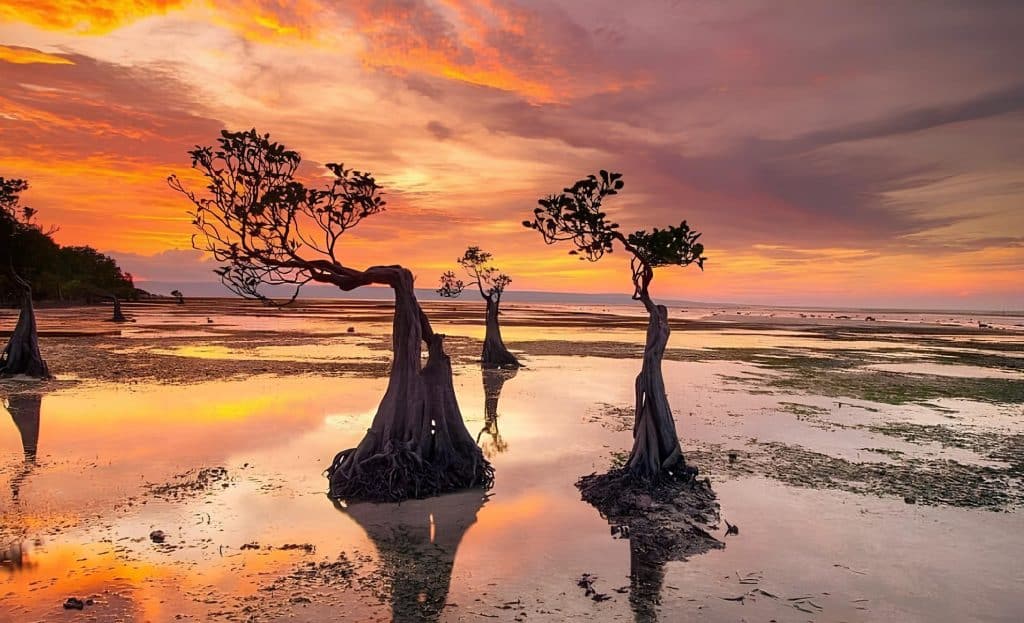
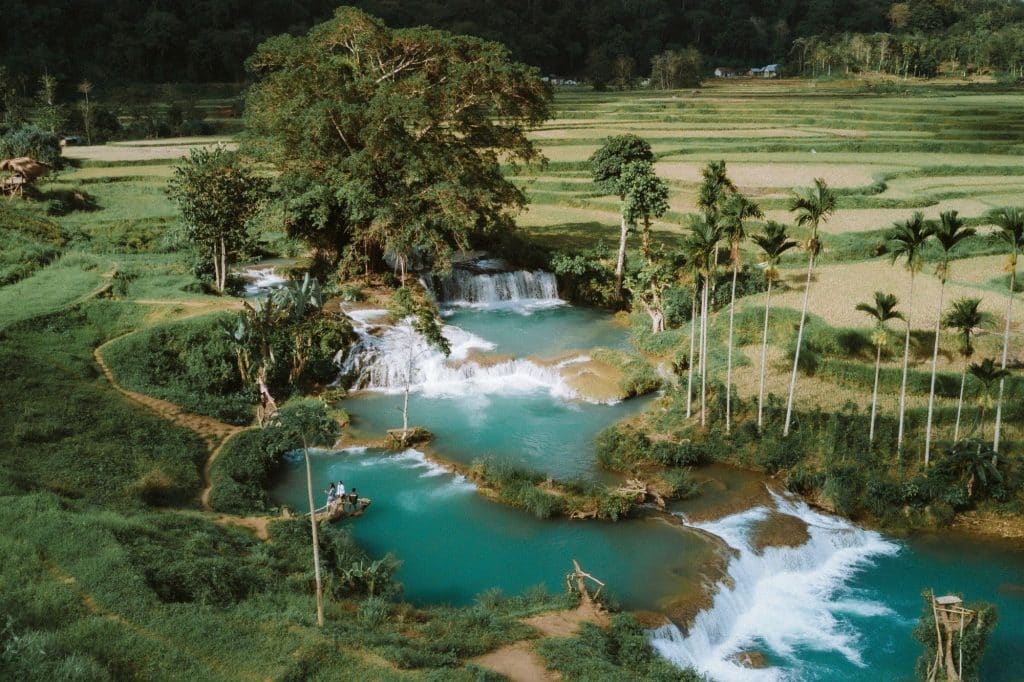
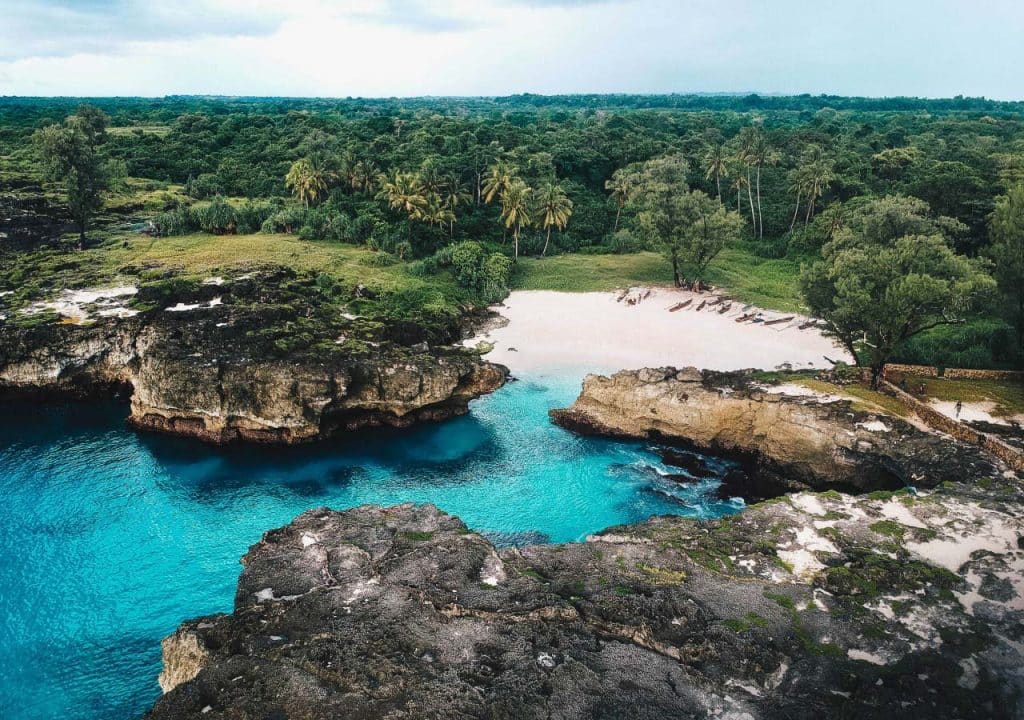
Today Sumba is experiencing a surge of interest as a sustainable luxury haven. A mere 50-minute flight from Bali brings visitors to Tambolaka Airport, where dramatic cliffs, pristine beaches, and emerging resorts such as Kabisu Sumba create an enticing alternative to Bali’s bustle. Yet the heart of Sumbanese identity still beats loudest during Pasola, making the festival an essential stop for any traveler or investor drawn to this untamed frontier.
The History and Cultural Significance of Pasola
Pasola is more than an adrenaline-charged joust; it is a sacred ritual intertwined with Sumba’s agricultural cycle. Traditionally held in February and March—just after the rice planting—Pasola is believed to placate the spirits, ensure rainfall, and bless the coming harvest. Victory matters, but so does the shedding of blood, which the elders say fertilizes the fields and strengthens communal bonds.
In 1985 the Indonesian government recognized Pasola as an intangible cultural asset, and anthropologists often compare its societal role to Spain’s running of the bulls or Japan’s sumo ceremonies. Outsiders are welcome, yet the event remains firmly controlled by local adat (customary law) councils, preserving its authenticity in an era of rapid tourism growth.
Origins and Mythology Behind the Festival
Folklore traces Pasola’s beginnings to a tragic love triangle. According to legend, a woman named Rambu Kori returned from the sea with a new husband after her village presumed her lost. The spurned former lover challenged the newcomer, and their clash on horseback evolved into a symbolic duel between villages. Over generations, wooden spears replaced iron weapons, and the skirmish transformed into ritualized sport, yet the narrative of love, loyalty, and honor continues to animate every charge across the arena.
Spiritual Meaning and Connection to Marapu Religion
Most Sumbanese still adhere to the ancestral Marapu faith, which revolves around appeasing spirits through harmony with nature. Before Pasola begins, priests known as Rato read omens in the sea worms (nyale) that swarm the coast. A plentiful catch signals divine approval, while a poor one may delay or even cancel the event. The Rato also lead chants, bless the spears, and invoke protection for riders and spectators alike, underscoring Pasola’s status as a bridge between the living and the unseen world.
To learn more about Sumba’s landscapes, traditions, and way of life, explore our Discover Sumba guide.
Planning Your Visit to the Pasola Festival
Because Pasola follows both lunar cycles and nyale appearances, exact dates shift each year, and only local elders can confirm the schedule a few weeks in advance. Travelers who wish to guarantee attendance should earmark mid-February to late March and monitor regional news or trusted tour operators for updates. Building flexibility into an itinerary is essential; the unpredictable timing is part of the festival’s mystique.
Sumba’s infrastructure is improving rapidly, yet distances remain large and roads can be rough. Reserving a driver familiar with the villages of Wanokaka, Lamboya, or Kodi—traditional Pasola arenas—saves time and reduces stress. Reputable guides often bundle transport and translation, enabling deeper engagement with local customs.
Best Time to Visit and Festival Schedule
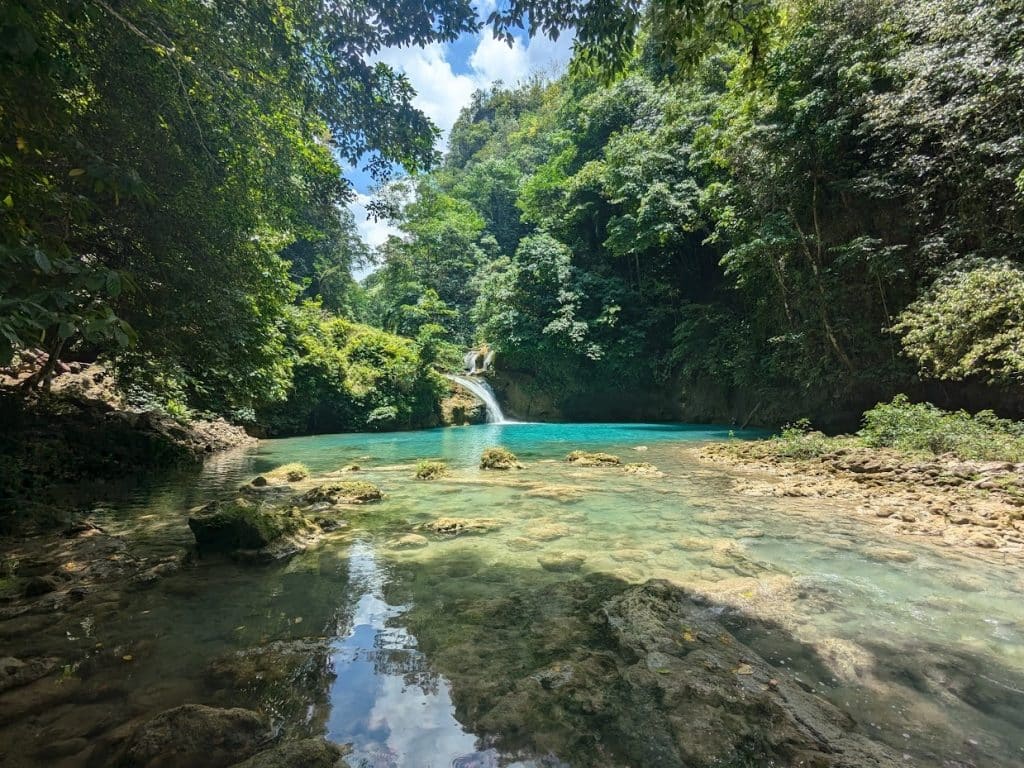
The nyale season generally peaks a few days after the first full moon of the Balinese calendar month of Kapat. Festivals in Wanokaka usually lead, followed by Lamboya and Kodi, creating multiple viewing opportunities across February and March. Arriving three or four days before the predicted start allows time to witness preparatory rituals, explore nearby waterfalls such as Lokomboro, and acclimatize to the island’s warm, breezy climate.
Transportation and Accommodation Options in Sumba
Four daily flights connect Bali’s Ngurah Rai International Airport with Tambolaka, making the west coast the easiest entry point. From there, the Pasola fields are one to two hours by car. Lodging ranges from guesthouses in Waikabubak town to upscale ocean-view villas like Kabisu Sumba, where freehold investment opportunities attract travelers seeking both comfort and capital growth. Booking early is vital during festival weeks, when occupancy rates can exceed 85 percent.