Bali is the global icon; Sumba is the insider’s play. One thrives on volume and familiarity; the other on scarcity and a luxury-first identity. If you’re weighing where capital will work harder over the next decade, the question is less about beaches and more about brand positioning, guest experience quality, and long-term demand. Bali’s visitor counts have roared back, but with them, headlines about crowding and strain; Sumba, by contrast, has quietly become a byword for barefoot luxury. TIME
Bali: The Established Giant
Pros
Powerful global brand with year-round demand.
Deep hospitality ecosystem (airlift, F&B, operators, services).
Broad backpacker/mid-range scene that keeps occupancy high.
Cons
Traffic is becoming insane in hotspots like Canggu, Seminyak, Ubud; large-scale fixes (e.g., rail) are being explored precisely because congestion is now chronic. ABC
Pollution/waste reputation hurts premium perception; recurring beach cleanups and policy pushes make regular news. France 24
Experience risk: when roads jam and beaches need cleaning, the guest journey (airport→villa→attractions) can suffer. South China Morning Post
Context: Bali welcomed ~6.33M international visitors in 2024 and aims even higher, underlining demand, but also the pressure on infrastructure and environment. TIME
Bali vs Sumba: A Tale of Two Traffics
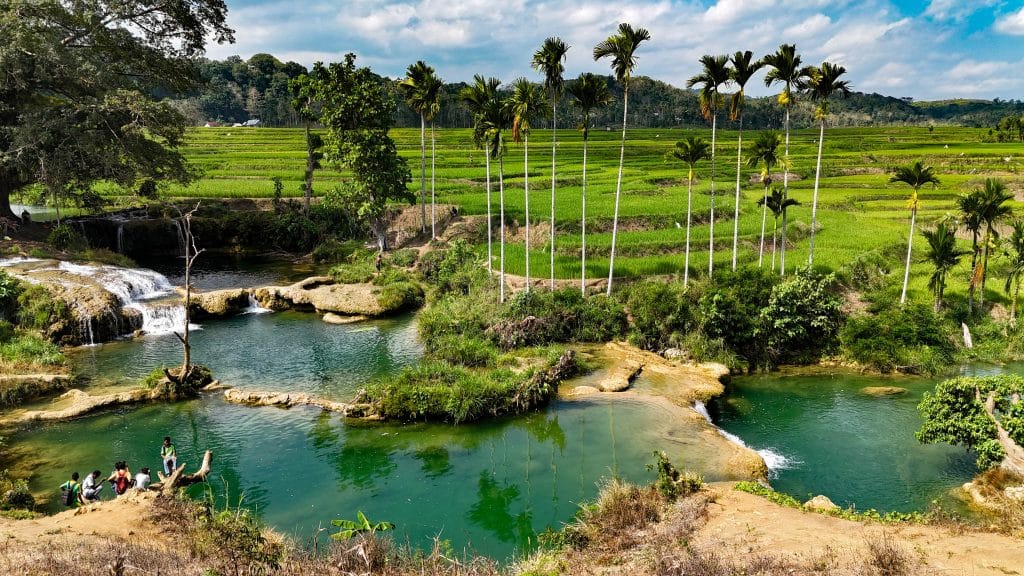
In Bali, traffic jams have become part of daily life, especially in hotspots like Canggu. What used to be a quick ride often turns into an hour-long wait, with motorbikes and cars stacked bumper to bumper. In contrast, Sumba’s roads remain quiet and authentic, where the only traffic you might meet is a goat or a buffalo.
Sumba: The Rising (Luxury) Star
Pros
A luxury-first destination anchored by NIHI Sumba voted #1 hotel in the world by Travel + Leisure in 2016 and 2017, and supported by new high-end boutiques like The Sanubari. This halo effect signals strong average daily rates and discerning clientele.
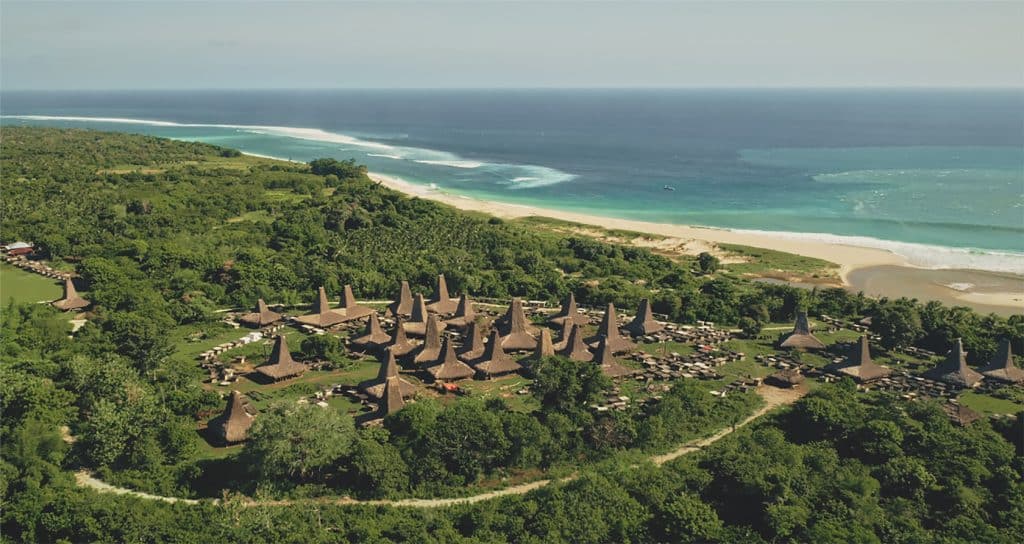
Exclusivity by design: lower tourist density preserves nature and culture, lifting perceived value and guest satisfaction. Editorial coverage frames Sumba as “a world away” despite its proximity to Bali. Vogue
Access that works for premium travel: short, regular flights from Bali and Lombok to Sumba (Tambolaka) make “fly-and-flop” effortless for high-intent guests. See our article “How to get to Sumba”.
Cons
Lighter infrastructure than Bali (exactly why it feels exclusive).
Fewer nightlife/shopping magnets; it’s experience-led, not scene-led.
Growth depends on thoughtful, sustainable development, which is precisely the appeal for many investors.
Key Investment Differences
1) Demand shape & brand
Bali: mass-market gravity; high volume across backpacker to mid-range.
Sumba:luxury-forward with an established icon (NIHI) and rising boutique stock, ideal for premium positioning.
2) Competition density
Bali: very high inventory and crowding in key hubs; differentiation can be costly.
Sumba:50 minutes hops from Bali; fewer frequencies, but enough for luxury travelers planning ahead.
4) Experience quality risks
Bali: traffic gridlock and waste headlines make service delivery less predictable and hurt guest experience. Who wants to say stuck in traffic during holidays?
Sumba: low density preserves the “paradise” feel central to premium / luxury looking guests ready to pay for higher daily rates.
5) Sustainability trajectory
Bali: ramping up fixes (tourist taxes, cleanups, rail planning).
Sumba: growth narrative is community and nature-aligned, reinforcing long-term brand equity for eco-luxury rental property and villas. (Editorials consistently frame Sumba as “untouched” and experience-centric.) Vogue
So…Which One Wins?
If your thesis is premium yield via scarcity, brand, and guest experience quality, Sumba has the edge. Bali remains dependable on volume, but the very scale that drives occupancy also creates noise, traffic, crowding, and perception risks, especially for upscale stays in busy corridors. Sumba is earlier in the curve and distinctly luxury, which is exactly where long-term, high-margin rental property plays tend to thrive.
Why Kabisu Is Positioned for This Growth
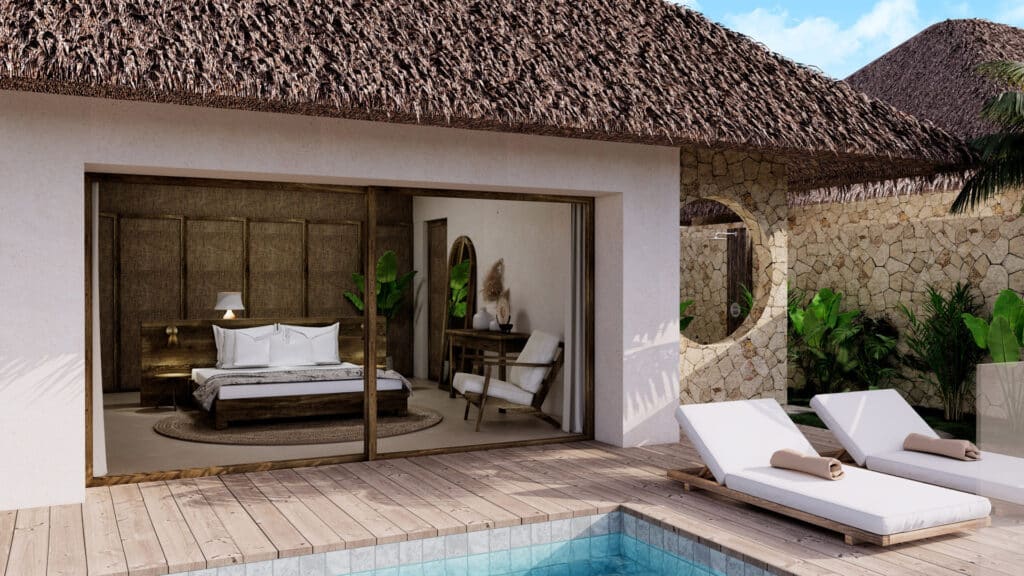
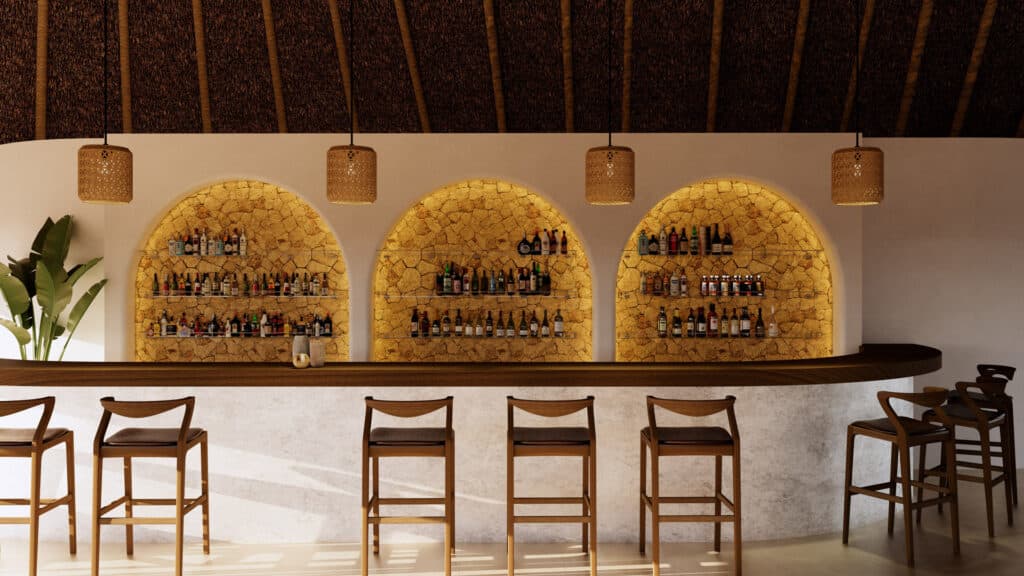
If Sumba is the future of premium Indonesian tourism, Kabisu is your way in. We design and operate eco-luxury villas built for today’s traveler: private, sustainable, and deeply connected to nature.
Our model makes ownership seamless, from villa management and guest experience to revenue sharing, so you capture the upside of Sumba’s rise without the operational burden.
Curious how this works in practice?Explore our Investment page to see the full model and discover how you can be part of Sumba’s future.
FAQs on Sumba vs Bali Investment
Is Sumba better than Bali for luxury rental property?
For upscale guests seeking privacy and nature, Sumba’s low-density, luxury-first positioning often delivers a stronger experience and pricing power than Bali’s crowded hotspots.
How easy is it to reach Sumba from Bali?
There are 4 daily 50 mns flights from Denpasar (Bali) to Tambolaka (Sumba) and new flight routes from Lombok and Jakarta are planned from end of 2025.
What type of traveler chooses Sumba over Bali?
Sumba attracts design and nature-led travelers who value space, privacy, and unique experiences over nightlife and shopping. It’s ideal for eco-luxury stays and adventure-curious guests.
Does Bali’s traffic and waste problem affect guest experience?
In popular areas, congestion and periodic beach cleanups can impact the experience. Bali is investing in solutions, but high visitor volumes continue to create pressure in peak zones.
What makes Sumba’s investment story different from Bali’s?
Bali is a mature, volume-driven market; Sumba is earlier in the curve with a clear luxury identity and limited high-end supply, favorable dynamics for premium rental property.
How does Kabisu support owners?
We handle end-to-end operations, guest acquisition, on-island service, and reporting, so owners benefit from Sumba’s premium positioning without the day-to-day work.
What is the rental property potential in Sumba compared to Bali?
While Bali’s market is saturated with mid-range villas, Sumba’s limited high-end supply means well-managed villas can achieve strong occupancy and nightly rates, especially as luxury demand grows.
Is Sumba a good place to invest in rental property long term?
Yes. As tourism expands in a sustainable, low-density way, early investors in Sumba rental properties are positioned to benefit from both rising nightly rates and long-term appreciation.