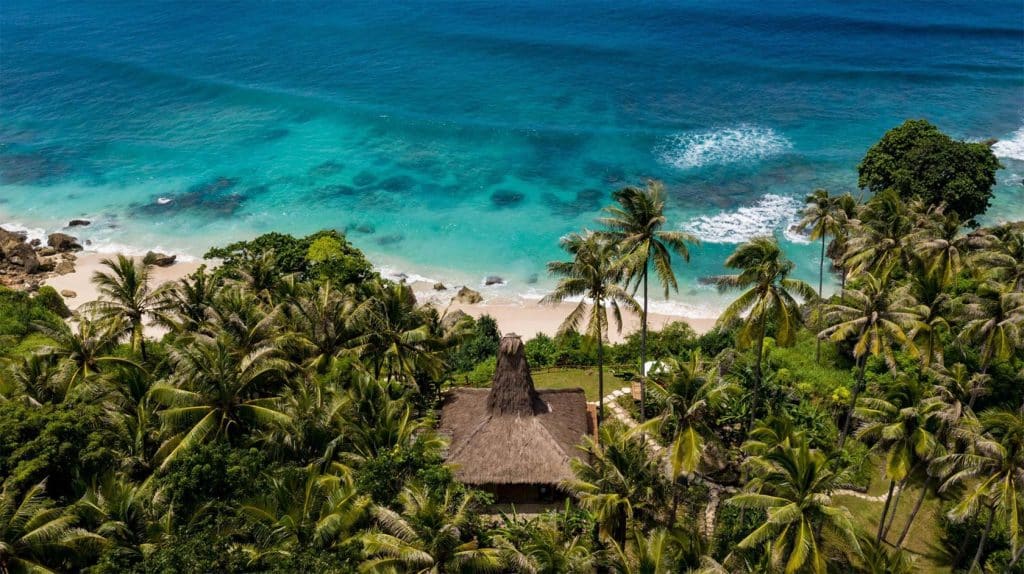
Sumba stands apart from the rest of Indonesia… drier, wilder, and shaped by a rhythm that follows the seasons rather than the clock. Between long dry months and short bursts of rain, life here has learned to adapt in remarkable ways.
Across the island, grasslands fade into pockets of ancient forest, home to some species that exist nowhere else on Earth. Sumba is one of the unique islands in the region, sitting between Asia and Australia in a transition zone known as Wallacea. Because of this isolation, plants and animals along the Wallacea line have evolved in their own path.
Unique Wildlife Above and Below
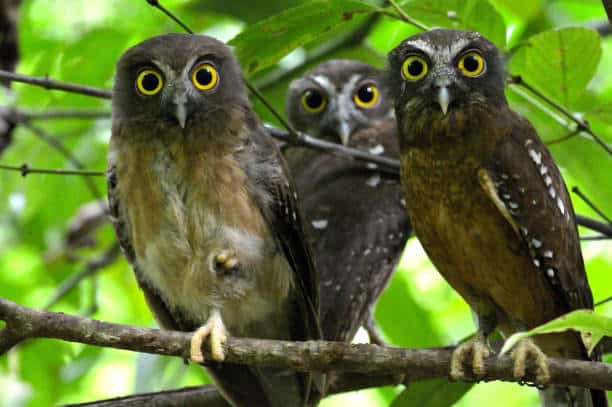
The island is especially rich in birdlife. The Sumba hornbill, with its curved yellow bill and powerful wingbeat, is found only here and is often seen flying in pairs above the treetops. The Sumba boobook (a species of owl), Sumba green pigeon, and apricot-breasted sunbird are also local treasures, along with several flycatchers and doves that have made these forests their only home. Early morning or late afternoon, when the light softens and the forest quiets, you can sometimes hear their calls echo across the valleys. Sumba’s forests are also alive with fruit bats, civets, and deer.
Some of Sumba natural treasures are hidden below the sea level. Diving off Mareha Cape (Tanjung Mareha) offers a unique experience striking features. The area is renowned for its arched limestone formations and healthy coral reefs, which support a rich diversity of marine life including clownfish, triggerfish, butterflyfish, and damselfish. Divers have the opportunity to encounter larger marine species such as whale sharks and manta rays. The coral reefs are part of the Coral Triangle, one of the most biodiverse marine regions in the world. Here, manta rays, sea turtles, and countless coral species thrive in the clear waters surrounding the island.
Plant life tells an equally interesting story. Lontar palms stand tall across the savanna and provide food, drink, and shelter for local communities. The once-abundant sandalwood trees, the reason Sumba was long called the Island of Sandalwood, are now protected and slowly returning through replanting efforts. In the wetter hills, orchids and flowering trees bloom during the rainy season, bringing bursts of color to the landscape.